The Acquisition Reform and Cost Assessment Act of 2025 fundamentally reorganizes the Department of Veterans Affairs' major acquisition process by establishing a dedicated Chief Acquisition Officer, mandating independent cost assessments, and strengthening program management and oversight for large-scale projects.
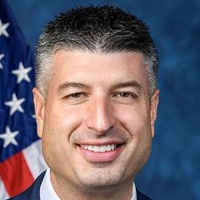
Tom Barrett
Representative
MI-7
The Acquisition Reform and Cost Assessment Act of 2025 significantly restructures the Department of Veterans Affairs' (VA) acquisition process, particularly for major programs exceeding specified cost thresholds. This bill establishes a centralized Office of Acquisition led by a dedicated Assistant Secretary to oversee and manage all major acquisition efforts. Furthermore, it mandates independent verification, validation, and rigorous cost assessment for these programs to improve transparency and performance. The Act also aims to strengthen the acquisition workforce by prioritizing internship hiring and standardizing requirements development.
VA Overhauls Major Purchases: New Bill Creates Oversight, Boosts Entry-Level Hiring for Billions in Spending
Ever felt like a big organization could use a serious shake-up in how it spends money, especially when it’s your tax dollars? Well, the Department of Veterans Affairs (VA) is getting exactly that with the new Acquisition Reform and Cost Assessment Act of 2025. This isn't just bureaucratic reshuffling; it's a full-on effort to streamline how the VA buys everything from medical tech to IT systems, aiming for more bang for the buck and better services for veterans.
The New Sheriff in Town: Assistant Secretary for Acquisition
First up, this bill creates a brand-new top-dog position: the Assistant Secretary for Acquisition. Think of this person as the ultimate chief purchasing officer for the entire VA. This isn't some side gig; this Assistant Secretary will be solely focused on acquisition, overseeing all the big-ticket purchases. The bill carves out a new subchapter in Title 38 of the U.S. Code, essentially creating a dedicated, centralized powerhouse for all major acquisitions. This means everything from the Veterans Benefits Administration to the Veterans Health Administration will funnel their big spending through this office, rather than having various departments doing their own thing. For you, this could mean less wasteful spending and more efficient delivery of services to veterans, because someone is actually watching the whole process from one central vantage point.
Defining 'Major' and Getting the Right People in Charge
What counts as a "major acquisition program" under this new law? We're talking serious cash: any VA project expected to cost over $1 billion over its lifespan or more than $200 million in a single year. That's a lot of zeros, so the bill sets up some strict rules. The Assistant Secretary will appoint at least four Program Executive Officers to oversee these massive projects in areas like medical, IT, and professional services. And here’s the kicker: every single manager for these major programs has to be certified in project management at Level 3 (or an equivalent private sector cert). This isn't just about having a title; it’s about ensuring the people running these multi-million and billion-dollar projects actually know how to run them, from setting baselines to managing risks. This could mean fewer costly delays or budget overruns, which ultimately saves taxpayer money and gets critical resources to veterans faster.
External Eyes and Cost Control
One of the smartest moves in this bill is bringing in outside help. Within 120 days of the law kicking in, the VA has to start looking for independent contractors to verify and validate these major acquisition programs. These aren't just any contractors; they need a proven track record of doing similar work for big healthcare or government entities, and they absolutely cannot have a conflict of interest. This means a fresh pair of eyes checking the math, the timelines, and the effectiveness of these huge projects. On top of that, the bill creates a new Director of Cost Assessment and Program Evaluation who reports directly to the Secretary. This Director’s job is to give independent cost estimates for major programs, ensuring the VA knows what it's really getting into before signing on the dotted line. They'll even flag any program where the VA's own budget request is more than 5% off the independent estimate. For anyone who's ever seen a project go wildly over budget, this is a welcome layer of accountability.
Building the Bench: Entry-Level Hiring and Process Improvement
It’s not just about fixing the top; it’s about strengthening the foundation. The bill mandates that the VA prioritize internship programs for hiring entry-level acquisition staff. In fact, by September 30 of the first fiscal year after enactment, the number of interns in these programs must be at least double, but no more than quadruple, the number in fiscal year 2025. This is a smart play to build a skilled workforce from the ground up, ensuring a pipeline of talent for these critical roles. Plus, the VA will get an independent analysis of its entire acquisition process by the Department of Defense and will establish a standardized process for developing requirements for major programs. This means more structured planning from the get-go, with input from veterans' organizations and rigorous validation, using existing staff to keep new bureaucracy in check. All these changes are designed to cut through the noise and make sure the VA is spending wisely and effectively, ultimately benefiting veterans and taxpayers alike.