This bill enhances the annual report on international narcotics control by adding specific requirements for reporting on countries' improvements in combating narcotics-related money laundering and mandates a report on consistent Bank Secrecy Act examinations.
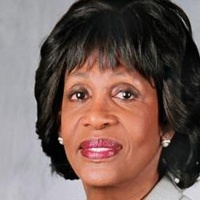
Maxine Waters
Representative
CA-43
This bill, the International Financial Access Improvements Act, enhances reporting requirements on how countries combat narcotics-related money laundering in the President's annual report. It mandates that the Treasury Secretary consult on and produce a separate volume of the report detailing money laundering issues for specific Congressional committees. Furthermore, the Secretary of the Treasury must report on steps being taken to ensure more consistent Bank Secrecy Act examinations across relevant agencies.
New Bill Boosts Global Fight Against Drug Money, Requires Treasury to Standardize Bank Secrecy Act Exams
Alright, let's talk about the "International Financial Access Improvements Act." This isn't your typical kitchen-table bill, but it's got some real-world implications for how Uncle Sam tries to stop drug money from sloshing around the globe and how our own banks get scrutinized.
More Eyes on Drug Money Trails
So, what's this bill actually doing? Essentially, it's putting more teeth into how the U.S. government tracks international efforts against narcotics-related money laundering. Think of it like this: every year, the President puts out a report on how different countries are doing in the fight against drug trafficking. This bill, specifically amending Section 489(a)(7) of the Foreign Assistance Act of 1961, says, "Hey, we need more detail here." It’s asking for specifics, like what new laws a country has passed to stop money laundering, how many criminals they've actually prosecuted, and how much dirty money or assets they’ve seized. It even wants to know how these countries are stacking up against international financial crime standards. The goal is pretty straightforward: get a clearer picture of who's really pulling their weight and who's just going through the motions when it comes to cutting off financial lifelines for drug operations.
Treasury's New Homework: Consistent Bank Checks
Here's where it gets a bit closer to home for financial institutions. The bill also tasks the Secretary of the Treasury with a pretty important job: figure out how to make Bank Secrecy Act (BSA) exams more consistent across all the different federal banking agencies. If you've ever dealt with banks, you know how many different regulators are out there. The Bank Secrecy Act is the big one that requires banks to report suspicious activities to prevent money laundering and terrorism financing. Right now, depending on which agency is examining your bank, the rules or the way they're applied might feel a little different. This bill, under Section 2, wants the Treasury to consult with all the major players—like the Federal banking agencies and the Financial Institutions Examination Council—and then report back within 180 days on how they're going to standardize these exams. For banks, this could mean clearer expectations and less regulatory whiplash. For you, it means the system designed to catch illicit financial activity might just get a bit more robust and predictable.
Who Benefits and Why It Matters
At its core, this legislation is about transparency and efficiency in the fight against financial crime. By demanding more detailed reporting on international anti-money laundering efforts, it helps policymakers understand what's working and what's not. That means better-informed decisions on foreign aid and international cooperation. And by pushing for more consistent BSA exams, it aims to make life a little easier and fairer for banks while strengthening the overall financial system against illicit funds. It’s not going to change your daily commute, but it's a behind-the-scenes effort to make the global financial playground a bit cleaner and safer, which, in the long run, benefits everyone by making it harder for criminal enterprises to thrive.