This act prohibits using bots to bypass online purchase limits and inventory controls, granting enforcement power to the FTC and state attorneys general.
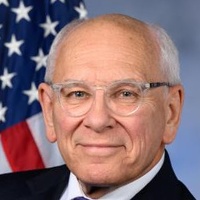
Paul Tonko
Representative
NY-20
The Stopping Grinch Bots Act of 2025 prohibits the circumvention of online access controls designed to enforce purchase limits or manage inventory. This makes it illegal to bypass these technological measures or sell products obtained through such means. The Federal Trade Commission (FTC) and state attorneys general are empowered to enforce these provisions.
Proposed 'Grinch Bots Act' Targets Resellers, Makes Bypassing Website Purchase Limits Illegal
The aptly named “Stopping Grinch Bots Act of 2025” aims to stop the automated purchasing tools—or bots—that snatch up limited-edition sneakers, concert tickets, and, yes, even popular Christmas toys before regular buyers ever get a shot. The core of this bill, Section 2, makes it flat-out illegal for any person to bypass a website’s security measure, access control system, or any other technological control specifically put in place to enforce purchase limits or manage inventory. Think of those "limit two per customer" rules or the online queue systems—this bill makes using software to jump that line a federal violation.
The Real-World Impact: Clearing the Digital Shelves
If you’ve ever tried to buy tickets to a hot show only to see them instantly pop up on a resale site for 500% markup, you know exactly who this bill is targeting: the scalpers. Crucially, the bill doesn't just go after the person running the bot; it also makes it illegal to sell products acquired through that bypass if the seller knew or should have known the item was obtained illegally. This provision is key because it places liability further down the supply chain, potentially making it much riskier for large-scale resellers to profit from bot activity. For the average consumer, the hope is that this levels the playing field, making it easier to snag that high-demand item at the original retail price instead of being forced into the secondary market.
Who’s Enforcing This, and What About Researchers?
Enforcement of the “Grinch Bots Act” falls primarily to the Federal Trade Commission (FTC), treating violations as an unfair or deceptive act under existing FTC law. This means the FTC can use its established powers to investigate and penalize violators. However, state attorneys general also get a piece of the action; they are empowered to file civil lawsuits in federal court on behalf of their residents to stop violations and seek damages. This dual enforcement structure ensures that both federal and state-level regulators can pursue bot operators, though the bill requires states to notify the FTC before filing a suit to prevent overlapping enforcement actions.
There’s an important exception carved out for the good guys. The bill explicitly states that creating or using circumvention software is not illegal if it’s done for legitimate security research—like identifying and analyzing security flaws to advance computer security—or for law enforcement purposes. This is a smart move that prevents the law from accidentally penalizing ethical hackers who help retailers patch vulnerabilities.
The Fine Print: Where Things Get Broad
While the intent is clear—stop the bots—the language in Section 2 regarding “security measure, access control system, or other technological control” is pretty broad. Retailers could argue that almost any website feature designed to manage traffic or inventory falls under this umbrella. This broad scope could potentially chill legitimate automated activities, such as helpful web-scraping tools used by small businesses for market analysis, if those tools are deemed to be “bypassing” a control. The FTC’s interpretation of what constitutes a prohibited “bypass” will be critical here, especially for developers and users of automation tools who aren't trying to scalp products but simply interact with websites efficiently. This is definitely one of those areas where we’ll need to watch the enforcement actions to see how far the FTC stretches its new authority.