This Act mandates that state highway safety programs prioritize reducing traffic incidents in school zones and expands eligible uses for federal funding to include specific safety improvements like crossing guards and traffic calming measures.
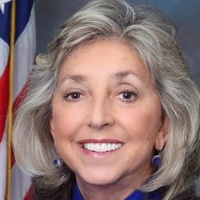
Dina Titus
Representative
NV-1
The Protect Our Students Act aims to significantly enhance safety in school zones by requiring states to prioritize crash reduction efforts in these areas. This legislation mandates the Secretary of Transportation to clarify eligible safety improvements, including funding for crossing guards, traffic calming measures, and school zone audits. Furthermore, it increases the federal allocation for the Highway Safety Improvement Program to support these critical safety initiatives.
Protect Our Students Act Boosts School Zone Safety Funds to 50%: What It Means for Your Commute
The “Protect Our Students Act” is a piece of legislation focused squarely on making the daily trek to and from school safer for kids. It mandates that states must focus their existing highway safety programs on reducing traffic crashes and incidents specifically in school zones. Critically, the bill also increases the allocation for the federal Highway Safety Improvement Program from 40% to 50% (Sec. 5), meaning a bigger slice of federal highway safety dollars must be dedicated to these kinds of upgrades.
The New Mandate: Safety First
This isn’t just a suggestion; it’s a requirement. The bill amends Title 23, U.S. Code, to require state highway safety programs to include specific efforts to reduce traffic incidents around schools (Sec. 3). For parents and guardians, this means state departments of transportation can no longer treat school zone safety as an afterthought—it has to be a priority in how they spend federal highway safety money. The goal is to tackle the stated problem: roughly 100 students are killed and 25,000 injured each year in traffic incidents near schools (Sec. 2).
Where the Money Goes: Eligible Upgrades
To ensure the funds are spent effectively, the Secretary of Transportation must issue regulations clarifying exactly what types of projects qualify for this money (Sec. 4). The bill provides a clear list of eligible uses, which is helpful for local governments planning their budgets. These include practical, tangible improvements you see every day, like hiring and training crossing guards, installing flashing lights and beacons, adding visible signage and crosswalks, and implementing traffic calming measures such as pedestrian islands. It also covers automated traffic enforcement (speed cameras) and non-infrastructure activities like “Safe Routes to School” programs.
The Real-World Impact on Your Neighborhood
If this bill is enacted, expect to see changes in your local school zones. For a city planner, this means increased funding and a clear federal directive to build that pedestrian island they’ve been wanting near the elementary school, making it safer for kids to cross a busy four-lane road. For a parent, it could mean the difference between a frantic dash across an unmarked street and a calm crossing led by a newly funded crossing guard. By increasing the allocation percentage to 50%, the bill ensures more resources are dedicated to these localized, high-impact safety improvements.
The Trade-Offs and Fine Print
While more funding for school zones is unequivocally good, it’s worth noting the mechanics of the funding increase. By raising the mandatory allocation for the Highway Safety Improvement Program from 40% to 50% (Sec. 5), the bill shifts priorities within the existing federal highway safety budget. This means other highway safety initiatives—like general road signage upgrades or non-school-related intersection improvements—might see a relative reduction in attention or funding, even if the total pot of money remains the same. Additionally, while the list of eligible uses is clear, the exact implementation details will depend on the regulations issued by the Secretary of Transportation (Sec. 4). State and local governments will need to dedicate administrative resources to comply with these new rules, but the payoff is a safer environment for students and clearer guidance on how to secure federal funds for their projects.