This act mandates federal agencies to develop and report on a coordinated strategy to combat organized postal theft networks.
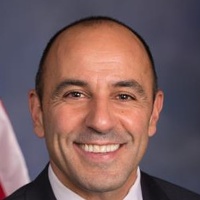
Jimmy Panetta
Representative
CA-19
The MAIL Theft Act of 2025 mandates that federal agencies, including the Department of Justice and Homeland Security, develop and report on a coordinated strategy to combat organized postal crime networks. This legislation aims to improve information sharing between federal, state, and local law enforcement regarding mail theft operations. It also requires an independent review of coordination efforts between the private sector and law enforcement.
MAIL Theft Act Mandates Federal Agencies Create Joint Strategy to Combat Organized Postal Crime Within 180 Days
When you hear about mail theft, you probably think of someone swiping a package off your porch. But organized postal crime is a much bigger deal—we’re talking about sophisticated networks stealing checks, identities, and goods on a massive scale. The Maximizing Agency Integration on Letter Theft Act of 2025 (MAIL Theft Act) is designed to hit these networks where it hurts: coordination.
This bill doesn't create new penalties; instead, it focuses on forcing federal law enforcement and postal agencies to finally work together effectively. Specifically, Section 2 mandates that the Attorney General, the Secretary of Homeland Security, and the Postmaster General must develop a unified strategy to combat organized postal crime networks within 180 days of the bill becoming law. This strategy must detail how they will share information and, crucially, how they will help state and local police gather the evidence needed for prosecution. Think of it as finally giving the local beat cop who catches a thief the direct line to the federal investigators who can dismantle the whole operation.
The Real Target: Organized Postal Crime Networks
The bill is very clear about its focus, defining “Organized postal crime” as the coordinated illegal acquisition of mail for the purpose of selling or distributing the goods in interstate commerce. This isn't about that one neighbor who takes your Amazon delivery; it’s about the groups that steal thousands of pieces of mail to commit fraud or resell stolen merchandise. For the average person, this coordination means your checks are less likely to be washed and cashed, and your identity is potentially safer from large-scale data breaches initiated through mail theft.
Who’s at the Table and Why
One interesting detail in the bill is the definition of a “Relevant agency,” which is left to the discretion of the Postmaster General, the Attorney General, the USPIS Chief Investigator, and the Secretary of Homeland Security. While this flexibility allows the agencies to pull in whoever they need—like maybe the Secret Service if financial fraud is involved—it also means the scope of the coordination is defined internally, which could lead to disputes or delays if the heads disagree on who needs to be included. However, the bill does ensure accountability by requiring a joint report on the developed strategy be sent to Congress within that same 180-day window.
Accountability and the Private Sector
Beyond the initial strategy, the bill also pulls in the Government Accountability Office (GAO). Within one year, the Comptroller General must publish an independent report reviewing how well law enforcement and the private sector—think banks, shipping companies, and retailers—are coordinating to deter and investigate these organized crimes. This is a smart move, as many of these crimes involve exploiting weaknesses in the banking system or large e-commerce supply chains. For consumers, this review could ultimately lead to better security measures implemented by the companies we interact with every day, making the entire mail system less appealing to organized thieves.