This bill establishes a program to fund community infrastructure projects near land ports of entry to improve trade, security, and quality of life for surrounding areas.
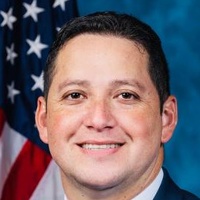
Ernest "Tony" Gonzales
Representative
TX-23
This bill establishes the Land Port of Entry Community Infrastructure Program to address deficiencies in local infrastructure supporting U.S. land ports of entry. The program authorizes the Secretary of Homeland Security to award grants for projects that improve trade, security, emergency preparedness, and community quality of life near these ports. Projects generally require a 30% non-Federal funding match, though exceptions exist for rural areas or specific security needs.
New Federal Program Targets Local Infrastructure Near Border Ports, Offering Grants for Roads, Utilities, and CBP Family Housing
This legislation creates the Land Port of Entry Community Infrastructure Program, a new federal grant program managed by the Secretary of Homeland Security (DHS). The core idea is simple: if your local infrastructure—think roads, water lines, utilities, or even just dealing with traffic—is getting hammered because a major land port of entry (LPOE) is nearby, the federal government wants to help pay for the fix.
The bill authorizes DHS to award grants to state, tribal, and local governments, as well as non-profit utilities, to address deficiencies in community infrastructure that either supports an LPOE or is "disproportionately impacted" by its presence. This infrastructure must be within 25 miles of the port, or directly focused on port modernization. Essentially, if the flow of commercial trucks and travelers is wearing out your town, this program is designed to chip in.
The 'Port Tax' on Local Communities
What kind of projects are eligible? The bill lays out several categories. The most straightforward are those that improve the efficiency and safety of trade, like upgrading local roads leading to the port or modernizing water infrastructure that supports the facility. It also covers projects aimed at enhancing border security (measured by metrics like drug seizure rates) and improving resilience to emergencies.
But the bill goes further, acknowledging the negative impacts ports can have on local life. Grants can be used to address issues like traffic congestion, pollution, and wastewater infrastructure strain caused by the port’s operations. For example, a small border town struggling to upgrade its sewer system due to heavy commercial traffic could potentially get federal help under this section (SEC. 2).
Who Gets the Best Deal?
Here’s where the fine print matters, especially for local budgets. Generally, if a city wants a grant, it must contribute at least 30% of the total project funding from non-Federal sources—a standard matching requirement for many federal programs. However, the bill introduces some significant flexibility.
If the project is in a “rural area” (defined here as a place with 100,000 or fewer inhabitants), or if the Secretary determines the project is “advantageous for homeland security reasons,” the rules change. In these cases, the Secretary must not penalize the local government for offering a low match, and can even reduce or completely waive the 30% matching requirement (SEC. 2. Funding Match Requirements).
This is a huge deal for smaller, less wealthy border towns, who often can’t afford the 30% match needed to secure federal funding. The waiver provision could be the difference between a critical road getting fixed or continuing to crumble under the weight of international commerce. That said, it also gives the DHS Secretary considerable power to decide which projects get the full federal subsidy based on a broad “homeland security” definition.
The Quality of Life Clause
One interesting addition that broadens the program’s scope is the inclusion of projects to enhance U.S. Customs and Border Protection (CBP) personnel family quality of life. This means funds could go toward local infrastructure that supports CBP personnel and their dependents residing in the community. Think of it this way: if a port needs more agents, but the local area lacks decent housing, schools, or basic utilities, this program could potentially fund local infrastructure upgrades to make the area more livable for those families. While beneficial for recruitment and retention, this provision expands the program beyond strictly trade and security infrastructure, potentially drawing funds away from core road and utility upgrades.
Finally, the bill allows the government to reimburse local entities for up to 70% of costs for eligible projects they paid for themselves on or after November 15, 2021 (SEC. 2). This means communities that moved quickly to address port-related issues in the last few years might be able to recoup a significant portion of those expenses. Just remember: this entire program is subject to specific annual appropriations from Congress, meaning the money only flows if Congress specifically funds it each year (SEC. 3).