This bill designates extensive wilderness and special management areas in Oregon's Owyhee region while establishing a flexible grazing management program and a local advisory group for Malheur County.
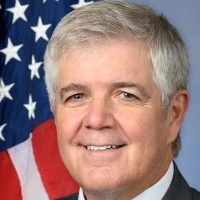
Cliff Bentz
Representative
OR-2
The Oregon Owyhee Wilderness and Community Protection Act designates nearly one million acres of federal land in Malheur County as new wilderness areas and two Special Management Areas. The bill also establishes a Malheur County Grazing Management Program to provide operational flexibility for ranchers while maintaining resource objectives. Furthermore, it facilitates land transfers to the Burns Paiute Tribe and protects existing uses like grazing and fire suppression across the region's federal lands.
Oregon Owyhee Act Designates 924,000 Acres of Wilderness While Overhauling Local Grazing Rules
This bill is a massive reshuffling of how we use land in Malheur County, Oregon. It officially designates over 924,000 acres as protected wilderness and turns 174 miles of the Owyhee River and its tributaries into 'Wild and Scenic Rivers.' While that’s a huge win for conservation, the bill also creates a new 'Grazing Management Program' that gives livestock owners more flexibility to move their herds and water troughs without jumping through the usual bureaucratic hoops. It’s a complex trade-off that attempts to lock in environmental protections while giving the local ranching economy some room to breathe.
The Great Outdoors and the Bottom Line
For the hikers and rafters among us, this bill is a major milestone. By designating twenty-two new wilderness areas—like the massive 195,000-acre Mary Gautreaux Owyhee River Canyon—the bill effectively bans new mining, mineral leasing, and road construction in these spots (Section 5). However, if you’re in the mining industry, this is a 'keep out' sign on nearly a million acres of federal land. To balance this out, the bill releases about 3,200 acres of other land from 'wilderness study' status, opening it back up for multiple uses like development or motorized recreation (Section 1). It’s a 'give a little, take a lot' approach to land conservation that permanently changes the map of Eastern Oregon.
Flexibility for the Ranch, Less Red Tape
If you’re running a ranch in Malheur County, the bill offers some practical 'street smarts' for managing livestock. Under Section 3, the Secretary of the Interior must allow 'interim operational flexibilities.' This means if a sudden drought hits or forage is low, a rancher can shift their grazing dates or move water troughs by up to 14 days just by giving the BLM a two-day heads-up. Crucially, these quick changes are 'immediately effective' and bypass the usual long-winded environmental reviews under NEPA. While this helps a small business owner react to the weather in real-time, some might worry that skipping these checks could lead to overgrazing if the monitoring isn't airtight.
Local Voices and Tribal Trust
The bill also shifts power toward local hands through the 'Malheur C.E.O. Group' (Section 4). This eight-member board—made up of ranchers, conservationists, and Tribal representatives—will decide which restoration or economic projects get funded. It’s a 'consensus-based' model, meaning they all have to agree before moving forward with federal money. Speaking of Tribal interests, the bill directs the government to take over 28,000 acres into trust for the Burns Paiute Tribe (Section 6). This is a significant move for tribal sovereignty, though the bill is careful to note that existing grazing permits on those lands must be respected or fairly compensated if they’re ever cancelled.
Fire, Weeds, and the Future
One of the most practical sections for anyone living in fire-prone areas is Section 7. It explicitly states that protecting land from wildfire and invasive species is a top priority, even in wilderness areas. This gives the government a green light to use helicopters, airplanes, and motorized vehicles to fight fires or spray for weeds—tools that are usually restricted in wilderness zones. For the average resident, this means the 'wilderness' tag shouldn't get in the way of emergency crews protecting the community. However, the bill also locks in grazing levels, stating the government can't reduce or end existing grazing authorizations on non-wilderness land, which provides a layer of long-term financial security for local agricultural families.