The Safe Passages Act of 2025 establishes a global program to fund life-affirming training and resources for local providers to drastically reduce maternal and child mortality in high-risk countries.
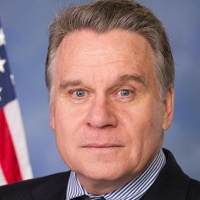
Christopher "Chris" Smith
Representative
NJ-4
The Safe Passages Act of 2025 establishes a global program to drastically reduce maternal and infant mortality in high-risk countries by funding life-affirming training and resources for local health providers. This initiative focuses on preventing and treating the leading causes of maternal death and supporting infant health through the first 1,000 days of life. The bill mandates at least $400 million annually for these efforts, prioritizing culturally respectful care and increased involvement of fathers.
Safe Passages Act Mandates $400M Annually for Global Maternal Health, Prioritizing Faith-Based Groups and Restricting Abortion Funding
The Safe Passages Act of 2025 is setting up a major new global health initiative to tackle one of the toughest problems out there: maternal and infant deaths in developing countries. Starting now and running through fiscal year 2030, this program aims to slash mortality rates in low- and lower-middle-income countries, particularly in places like sub-Saharan Africa where the death rate for mothers during childbirth is alarmingly high (Section 2).
What’s the big number? The bill mandates that at least $400 million annually from the Global Health Programs account must be dedicated to this effort (Section 5). This money is earmarked for training local health providers—midwives, doctors, community health workers—to prevent and manage severe complications like hemorrhage, preeclampsia, and sepsis, which are the main killers (Section 4).
The $400 Million Question: What’s Covered?
The core focus is on the “first 1,000 days of life”—from conception to age two—which is the critical window for both mother and child development (Section 2). The program is designed to roll out a comprehensive package of care, including nutritional support, emergency obstetric equipment, and training to handle the leading causes of death for both mothers and newborns (Section 4).
For the everyday person, this means a significant influx of resources to train frontline workers in high-risk areas. If you’re a local nurse or physician assistant, this bill could mean access to advanced training and the equipment needed to perform life-saving interventions, like managing severe bleeding after birth or resuscitating a struggling newborn. The bill also uniquely emphasizes the involvement of fathers, providing education and support to strengthen the family unit around maternal and child health (Section 3).
The Fine Print: Ideology Meets Aid
Here’s where the policy gets specific, and potentially restrictive. The bill amends the Foreign Assistance Act of 1961 to ensure that all maternal and child health assistance prioritizes interventions consistent with the Safe Passages program (Section 5). Critically, this assistance must promote natural methods of fertility awareness and cannot be used for abortion or abortion-related services (Section 5).
This means that organizations receiving the $400 million in U.S. aid must operate under a strict definition of “life-affirming care” (Section 5). For health organizations that traditionally offer a full range of reproductive health services, including access to safe abortion, this bill effectively cuts them out of this funding stream. The focus on “natural methods” and the explicit exclusion of abortion services places a significant ideological constraint on how this aid can be spent, potentially limiting the range of medical options available to women and families in need.
Who Gets the Money? Prioritizing Partners
The Secretary of State is tasked with implementing the program, but the bill directs where the priority should lie: local faith-based providers and faith-based organizations with strong local partnerships (Section 4). This prioritization suggests that the funds will be channeled through groups that align with the bill’s “life-affirming” framework, which could be a huge boost for faith-based NGOs already working on the ground.
However, this focus could also mean that highly effective, large-scale health networks or secular organizations that might have greater reach or capacity—but don't meet the ideological criteria—could be overlooked. For the people relying on these services, the quality of care will depend entirely on whether the prioritized faith-based groups are the most efficient and reliable providers in their specific region. The bill tries to ensure accountability, requiring detailed reports to Congress every two years, tracking everything from the number of providers trained to the estimated number of lives saved and compliance with the Act’s goals (Section 6).