This bill establishes four new VA advisory committees while terminating several existing ones, and it introduces a new direct home loan and grant program for eligible veterans in rural areas.
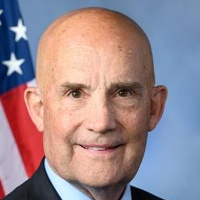
Keith Self
Representative
TX-3
The Veterans Affairs Advisory Committee Oversight Act of 2025 establishes four new advisory committees within the VA to provide expert advice on specific veteran needs, such as health, economic opportunity, special populations, and former POW affairs. The bill also sets a termination date of September 30, 2026, for numerous existing VA advisory committees. Finally, it repeals several defunct committees and establishes a new direct home loan and grant program for eligible veterans in rural areas.
VA Overhaul Swaps 13 Advisory Committees for 4 New Ones, Launches Direct Rural Home Loan Program for Veterans
The “Veterans Affairs Advisory Committee Oversight Act of 2025” is essentially a major reorganization of how the VA gets its expert advice, coupled with a brand-new housing program aimed at rural veterans. Think of it as the VA trading in its old fleet of specialized consulting groups for a smaller, more centralized team, while simultaneously rolling out a new benefit.
The core of the bill (SEC. 2) creates four new, highly focused advisory committees within the VA, each set to run until September 30, 2028. These new groups cover Veterans Health, Economic Opportunity and Transition, Veterans Special Populations (like women veterans and those from outlying areas), and Former POWs, Compensation, and Memorial Affairs. Each committee is tasked with providing focused, expert advice and submitting annual reports with legislative recommendations, ensuring the VA is constantly getting feedback on its biggest programs.
The Great Committee Consolidation
Here’s where things get interesting (and potentially tricky). Section 3 sets a hard termination date of September 30, 2026, for thirteen existing, long-standing VA advisory committees. We’re talking about groups dedicated solely to Women Veterans, Prosthetics, Tribal Affairs, Disability Compensation, and Education. This move consolidates specific oversight functions into the four new, broader committees. For example, the oversight previously done by the Advisory Committee on Women Veterans and the Advisory Committee on Tribal Affairs will now fall under the new Advisory Committee on Veterans Special Populations.
While the goal seems to be streamlining, this creates a potential gap. By terminating these specialized groups before the new, broader committees are fully up and running, there’s a risk that highly specific expertise—say, on prosthetics or education benefits—could be temporarily sidelined. The new committees will have to quickly absorb the mandates of the thirteen groups they are replacing, which is a significant undertaking.
A New Path to Rural Homeownership
Completely separate from the committee shake-up, Section 4 establishes a new direct home loan and grant program for veterans and surviving spouses in rural areas. This isn’t the standard VA loan guarantee you’ve heard of; this is the VA itself acting as the lender in areas where private lenders often don’t bother.
To qualify for a direct loan, you must be in a county where fewer than five VA-guaranteed loans were made in the previous year. This is a very specific geographic target aimed at the most underserved markets. Crucially, there is an income cap: your total family income cannot exceed 115% of the area’s median income, and you must prove you can’t get a suitable loan from a private lender. The maximum loan amount is capped at $417,000 (adjusted for inflation).
This provision is a big deal for veterans struggling to buy a home in remote areas. For instance, a veteran working a trade in a small, isolated county could use this program to secure a mortgage when local banks aren't lending. Additionally, the bill authorizes grants of up to $4,100 for eligible veterans to make necessary home improvements, like installing ramps or fixing essential plumbing, making it easier for disabled veterans to stay in their homes.
While the committee restructuring aims for efficiency, the new rural housing program offers a tangible, direct benefit for veterans facing financial and geographic hurdles. The challenge will be ensuring the new, consolidated advisory structure doesn't lose the detailed focus provided by the committees it replaces, especially concerning highly specialized needs like those of women veterans or those relying on prosthetics.