This bill exempts Members of the House and Senate, including leadership, from certain federal passenger and baggage screening when traveling between their home airport and any other location.
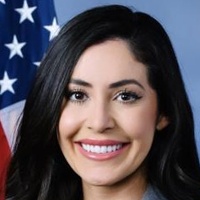
Anna Luna
Representative
FL-13
This bill mandates that the Transportation Security Administration (TSA) exempt Members of the House of Representatives and Senators from standard federal passenger and baggage screening when traveling between their home airport and any other location. It specifically removes a previous exemption related to leadership roles. The goal is to provide this screening exemption for all members of Congress during their travel.
New Bill Exempts Congress Members From TSA Screening: What It Means for Airport Security
This new legislation mandates a significant change to airport security, specifically for elected officials. The bill requires the Transportation Security Administration (TSA) Administrator to exempt all Members of the House, Senators, and their leadership from federal passenger and baggage screening. This exemption applies whenever they are traveling between their home airport and any other location.
The VIP Line: Who Gets to Skip the Scan?
Think about the last time you rushed through airport security, taking off your shoes and emptying your pockets. This bill essentially creates a permanent, mandatory express lane for Congress. Under Section 1, the TSA must waive standard screening protocols for these individuals. The stated goal is likely convenience and efficiency for lawmakers, allowing them to move faster to and from Washington, D.C., without the hassle of the regular security line. For a busy Member of Congress juggling committee meetings and constituent demands, this is a clear time-saver.
The Real-World Security Question
While saving a few minutes for a legislator might sound good on paper, the practical implications for the rest of us—the general traveling public—are less clear. The TSA’s job is to apply a consistent security standard across the board to ensure everyone on a commercial flight is safe. When any group, regardless of status, is mandated to bypass standard screening, it creates a potential vulnerability. Security works best when it is comprehensive and applied equally. If elected officials and their luggage are not subject to the same checks as everyone else, it raises questions about whether the system is truly secure end-to-end. It’s like having a chain with a few mandatory weak links.
Unequal Treatment at the Checkpoint
This provision creates a clear two-tiered system for air travel security. On one side, you have the millions of Americans—from the small business owner flying to a conference to the construction worker visiting family—who must adhere to every rule, from the 3-1-1 liquid rule to full body scans. On the other side, you have the political class who are specifically exempted from these same rules by law. For TSA staff, this means implementing different protocols for different citizens, which can complicate operations and morale. For the average traveler, it reinforces the idea that some people are simply above the standard rules designed to protect everyone.
What’s the Catch?
The bill is very specific about the travel context: it applies when the official is traveling between their home airport and any other location. This is a broad definition that covers nearly all their commercial air travel. While the benefit is reduced travel friction for a few hundred people, the cost could be a reduction in overall security effectiveness and public confidence in the system. When security is mandatory for the public but optional for those who write the laws, it's a tough pill to swallow for the people standing in the regular line.