The SATOS Act of 2025 establishes a federal grant and loan program through the USDA to help build, improve, and equip animal care facilities in rural areas.
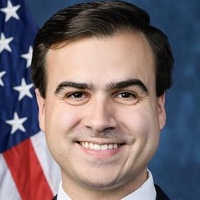
Pablo José Hernández Rivera
Representative
PR
The SATOS Act of 2025 establishes a federal grant and loan program to support animal welfare infrastructure in underserved rural communities. This program, administered by the Secretary of Agriculture, provides funding for eligible entities to construct, expand, or improve domestic animal care facilities like shelters and veterinary clinics. The Act also reserves funds for technical assistance to help communities plan and manage these essential animal care operations.
USDA to Launch $10 Million Grant Program for Rural Animal Shelters and Vet Clinics
The “Save Animals Through Operational Shelters Act of 2025,” or SATOS Act, sets up a new federal grant and loan program managed by the Department of Agriculture (USDA). This program is designed to inject funding into rural areas specifically for building, expanding, or renovating animal care facilities. Think shelters, adoption centers, spay/neuter clinics, and even emergency animal facilities. The bill caps the total funding at $10 million annually and requires the USDA to start issuing grants and loans within one year of the law passing.
Why Rural Infrastructure Needs a Boost
The core idea here is that animal welfare infrastructure often lags behind in rural communities. The bill’s findings state clearly that investing in these facilities—whether it’s a new wing on an existing shelter or purchasing a mobile vet unit—contributes to public health and safety. For folks living outside major metro areas, this could mean better access to affordable spay/neuter services, which helps control stray populations, or having a local clinic that can handle routine pet care without a two-hour drive. The funds can also be used for necessary equipment, vehicles, or technology, which is often the biggest hurdle for small, local non-profits.
Who Gets the Check and How Much?
This isn't a free-for-all. Eligible recipients are state, local, or Tribal governments, their agencies, or non-profit corporations. Critically, the program defines a “rural area” as anywhere not within a city or town of over 50,000 people, or the urbanized area next to it. If you live in a town of 45,000, you’re in. If you live in the suburb of a major city, you’re likely out.
The bill caps the federal contribution for any single facility at 75% of the total development cost. The USDA is required to create a “graduated scale” for funding, meaning communities with smaller populations or lower income levels should get a larger piece of that 75% maximum. This progressive funding model is designed to steer the most help toward the places that need it most, ensuring a small, struggling county has a better shot than a more affluent one.
The Fine Print: Help for Planning
One smart provision in the SATOS Act addresses a common problem with federal grants: small, understaffed entities often lack the expertise to apply for or manage large federal dollars. The bill reserves between 3% and 5% of the total program funding for separate technical assistance grants. These smaller grants can be used for things like identifying facility needs, preparing applications, or improving financial management. This is a crucial safety net, prioritizing entities with demonstrated experience to help others navigate the application process. It’s the policy equivalent of giving a struggling team a good coach before the big game.
Implementation Timeline and Discretion
The USDA has a tight deadline: they must finalize the rules for this entire program within 180 days of enactment and start issuing funds within one year. While the bill is clear on the $10 million cap and the 75% cost-share limit, it grants the Secretary of Agriculture significant discretion in defining the metrics for that “graduated scale.” The law says it should favor communities with “smaller populations or lower income levels,” but the exact formula is up to the USDA. This administrative flexibility is necessary for running a complex program, but it’s where advocates will need to pay close attention to ensure the rules truly benefit the neediest rural areas.