The SPELL Act expands existing federal student loan forgiveness programs to include teachers of English learners and bilingual or dual language immersion teachers.
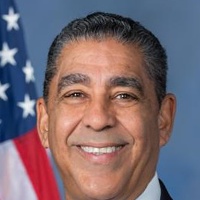
Adriano Espaillat
Representative
NY-13
The SPELL Act expands existing federal student loan forgiveness and cancellation programs to include teachers of English learners and bilingual or dual language immersion teachers. This aims to support educators working with these specialized student populations. The changes apply to individuals who become eligible for these programs on or after the date the Act becomes law.
SPELL Act Expands Teacher Loan Forgiveness to Bilingual and English Learner Educators
The Supporting Providers of English Language Learning Act (SPELL Act) is a straightforward piece of legislation that targets a specific problem: making sure we have enough qualified teachers who can work with students learning English. If you’re a teacher who specializes in this area, or if you’re a parent whose kids are in a bilingual or dual language program, this bill is relevant to your world.
The Loan Forgiveness Upgrade
What the SPELL Act does is amend two major existing federal student loan relief programs—the Loan Forgiveness for Federal Family Education Loans and the Loan Cancellation for Direct Loans—to expand eligibility. Before this bill, these programs offered relief mainly to teachers in certain subject areas (like math or science) or those working in low-income schools. The SPELL Act adds two critical teaching roles to the eligibility list (Section 2):
- Teachers of English learners whose primary responsibility is instructing those students.
- Bilingual or dual language immersion teachers.
This means that if you’re one of these specialized educators, you can now qualify for the same federal loan forgiveness or cancellation benefits as other high-need teachers, provided you meet the programs’ existing requirements, such as teaching for a certain number of years.
The Fine Print: Certification and Real-World Impact
For the busy teacher, the key detail here is the certification process. To qualify, you must be certified by your school’s chief administrative officer (think principal or superintendent) that you are teaching English learners or bilingual students in a way that matches your training. That officer also has to certify that you’ve "demonstrated knowledge and teaching skills in the content areas of the curriculum they teach" (Section 2).
This certification requirement is the government’s way of ensuring that only genuinely qualified, specialized teachers benefit—it’s not for the history teacher who happens to have a few English learners in their class. It’s for the teacher whose job is centered on language acquisition. For someone who spent time and money getting a master’s degree in Teaching English to Speakers of Other Languages (TESOL), this is a significant financial incentive to stay in a demanding, high-need field.
Who Benefits and When It Kicks In
The immediate beneficiaries are the teachers themselves, who get a pathway to reducing their student debt burden. But the long-term benefit hits the classroom: by making these positions more financially viable, the bill helps attract and retain the specialized talent needed to support students learning English. This is crucial, as the demand for these teachers often outstrips the supply.
This expansion is not retroactive for those who already left the profession or finished their teaching service years ago. The bill specifies that these changes apply to individuals who become eligible for teacher loan forgiveness or cancellation "on or after the date this Act becomes law" (Section 3). So, if you’re currently teaching or just about to start your qualifying service, you’re the target audience for this new eligibility.