This bill establishes a grant program through the FCC to help small, independent radio stations mitigate harmful interference caused by Cuban radio transmissions.
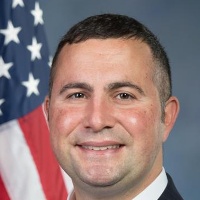
Darren Soto
Representative
FL-9
The Stop Communist Radio Act of 2025 establishes a competitive grant program administered by the FCC to assist small, independent AM/FM radio stations that are experiencing harmful interference from Cuban radio transmissions. These funds must be used by eligible stations to acquire and operate technology specifically designed to mitigate this interference. The FCC will set terms to ensure the mitigation technology does not cause interference to other spectrum users.
FCC Grant Program Targets Cuban Radio Interference, Offering Funds to Small Local Stations.
The “Stop Communist Radio Act of 2025” is straightforward: it sets up a new grant program at the Federal Communications Commission (FCC) specifically designed to help small, independent radio stations that are getting jammed by foreign broadcasts. If you listen to local AM or FM radio, especially in the Southeast, this is about getting rid of that static and noise.
Clearing the Airwaves: What the Bill Does
This bill requires the FCC to create a competitive grant program for radio stations experiencing “harmful interference” from transmissions originating in Cuba (SEC. 2). Think of it as a targeted relief fund. The money isn’t for general operations; it must be used only to buy and run the specific technology needed to block or mitigate that Cuban signal interference. For the listeners, this means better sound quality and fewer interruptions on their local news, music, or traffic reports.
Eligibility is tight, which is key to understanding the bill’s focus. To get a grant, a station must be an FCC-licensed AM or FM broadcaster, have a “small coverage area” (which the FCC gets to define), and crucially, be not affiliated with any radio network or government entity (SEC. 2, Definitions). This means the bill is specifically aimed at helping the smallest players—the truly local, independent stations that might not have the budget to afford expensive anti-jamming tech on their own.
The Compliance Catch
Here’s where the policy meets the pavement: When the FCC awards a grant, they will set specific rules for how the station must operate this new interference-mitigation gear. The bill includes a provision stating that operating the new technology according to the FCC’s terms will be treated as compliance with the Communications Act of 1934 and the station’s license (SEC. 2, Compliance with Communications Law). This is a big deal because it streamlines the process; the stations don't have to worry about getting tangled up in separate regulatory approvals just to use the equipment that fixes the problem.
However, this also means the FCC has a lot of administrative power here. They are tasked with defining “small coverage area” and setting the operational terms for the new technology. If the FCC isn't careful when setting those terms, there’s a minor risk that the technology meant to block foreign interference could accidentally cause interference for domestic spectrum users, like ham radio operators or public safety frequencies. It’s a delicate balance the FCC will have to strike.
For taxpayers, this is a new competitive grant program, meaning public funds are being allocated to solve a specific technical problem for a defined group of private businesses (small radio stations). The benefit is clearer reception for listeners and financial help for small businesses facing a unique, foreign-sourced technical challenge.