This act establishes grants to help colleges and universities adopt, adapt, and create open educational reading materials for STEM courses, prioritizing institutions serving low-income or minority students.
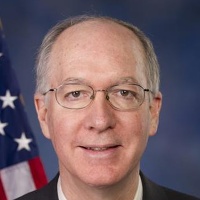
Bill Foster
Representative
IL-11
The No Cost Educational Resources Act of 2025 establishes a new grant program to support colleges and universities in adopting, adapting, and creating open educational reading materials for STEM courses. These grants aim to facilitate the use of free, publicly available digital texts as required course readings. Priority will be given to institutions serving high numbers of low-income or minority students that demonstrate strong collaboration between faculty and librarians. The legislation requires a report to Congress evaluating the impact of these grants on student savings and the adoption of free materials.
New Grant Program Targets $1,000+ STEM Textbook Costs with Free Digital Resources
If you’ve ever winced at the price tag of a required college textbook—especially in a science or engineering course—this bill is aimed squarely at your wallet. The No Cost Educational Resources Act of 2025 establishes a new federal grant program designed to eliminate textbook costs for students by funding the creation and adoption of free, digital textbooks.
This isn't just about making things cheaper; it's a targeted effort to tackle the high cost of higher education, specifically in STEM (Science, Technology, Engineering, and Math) fields. The grants will be managed by the Institute of Museum and Library Services and are explicitly focused on helping colleges and universities adopt, adapt, or create “open educational reading materials.” The bill defines these as free digital texts that are publicly available to be downloaded and redistributed.
The Library-Faculty Power Play
The most interesting part of this bill is who has to run the show. To get the grant money, colleges can’t just have administrators fill out forms. The application requires a detailed plan showing how library administrators and librarians will take the lead, working directly with STEM faculty members. This collaboration is key, as librarians are the experts in resource management and access, while faculty know what materials are actually needed to teach the course.
The goal is to establish “open educational reading material courses,” which are defined as STEM courses that use only these free digital texts as required readings. Imagine walking into Organic Chemistry and knowing you don't have to drop $250 on a book just to start the semester. For students juggling rent and tuition, having free access to materials from day one can be a massive financial and academic boost, especially for those who typically wait weeks to buy books.
Targeting the Students Who Need It Most
This program isn’t a free-for-all. The bill prioritizes institutions that enroll a high number of low-income or minority students, or both. This is a deliberate move to ensure the cost savings benefit the populations most affected by rising educational expenses. Schools seeking priority funding must also show they have a solid plan, which includes assigning a faculty member and a librarian to coordinate the courses and using library resources to support the materials.
Crucially, the bill pushes institutions to use these free materials in high-enrollment STEM courses—the classes that often have the most expensive, specialized textbooks and affect the largest number of students. The bill even encourages schools to offer incentives for faculty to switch over, such as monetary awards or dedicated work time, acknowledging that creating or adapting course materials takes significant effort.
What’s the Real-World Impact?
If this grant program rolls out successfully, the impact will be felt directly in students' bank accounts. The bill requires the Director to report back to Congress within two years, detailing exactly how much money students saved by enrolling in these courses compared to similar courses where readings must be purchased. This focus on quantifiable savings means the program’s success will be measured by its financial relief to students.
While this is a clear win for students, the shift to free, open-source materials could potentially squeeze traditional textbook publishers, who rely on those high-cost required readings. For those of us footing the bill for college, however, this legislation represents a smart, targeted way to use federal funding to make a dent in the spiraling cost of a degree.