The National Scam Prevention Coordination Act establishes a temporary Office of the National Fraud and Scam Prevention within the Executive Office of the President to coordinate federal strategy, incident response, and data sharing to combat fraud and scams.
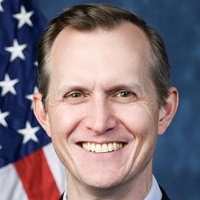
George Whitesides
Representative
CA-27
The National Scam Prevention Coordination Act establishes a new Office of the National Fraud and Scam Prevention within the Executive Office of the President to lead a unified federal strategy against fraud. This office will coordinate interagency responses to significant scam campaigns, facilitate data sharing with the private sector, and provide strategic guidance to protect Americans from financial deception. The Act creates a centralized authority to improve the nation's fraud prevention posture through a five-year, targeted initiative.
New Federal Fraud Office to Shield Consumers: National Scam Prevention Coordination Act Sets 5-Year Strategy to Fight $5M+ Fraud Campaigns.
The federal government is setting up a dedicated war room to fight the scammers blowing up your phone and draining bank accounts. This bill creates the Office of the National Fraud and Scam Prevention right inside the Executive Office of the President. Led by a Senate-confirmed Director, this office won't just be another layer of red tape; it’s designed to be the central brain for the country’s anti-fraud strategy. Its main job is to coordinate heavy hitters like the FBI, FTC, and Secret Service to ensure they aren't tripping over each other while chasing international crime rings. The bill specifically targets 'significant' scams—those stealing over $5 million total or hitting more than 1,000 people—and gives the government five years to prove this new setup actually works before the office automatically shuts down.
The Data Shield and Your Privacy
One of the most practical parts of this bill is the 'fraud data shield' program. Think of it as a secure tip line where companies—like your bank or mobile carrier—can share data about scam patterns with the government without sharing your name or personal details (Section 2). To get these companies to actually participate, the bill provides a 'good faith' immunity clause. This means if a company shares non-identifiable scam data to help the feds track a fraud ring, they can't be sued for that specific disclosure. For you, this could mean your phone carrier gets better at auto-blocking those 'unlocked' package delivery scams before they even hit your screen, because they’re finally sharing intel with a central hub.
Big Picture Protection for Small Businesses and Seniors
This isn't just about annoying robocalls; it’s about the sophisticated fraud that can bankrupt a small business or wipe out a retirement fund. The bill defines 'scams' broadly, covering everything from being tricked into sending money to unauthorized transactions where a hacker just takes it. By requiring the Director to prepare 'integrated incident responses,' the government is essentially creating a playbook for when a massive fraud campaign hits the U.S. economy. If a developer at a tech startup or a contractor on a job site gets hit by a phishing scheme that threatens national economic interests, this office is tasked with leading the counter-offensive and making sure the private sector knows exactly who to call in the federal government.
The Five-Year Test Drive
While the bill gives the Director significant power—including the ability to hire up to 20 high-level experts outside the usual slow-moving civil service rules—it comes with a built-in expiration date. The entire office and its authority will vanish five years after the bill is signed (Section 2, Sunset clause). This puts the pressure on the new Director to show real results, like lower victimization rates and faster shutdowns of scam centers, rather than just building a permanent bureaucracy. The Director also has to hand over an annual report to Congress detailing exactly what new technologies scammers are using, which keeps the strategy grounded in the real-world tech that changes faster than most laws can keep up with.