This bill establishes the State Industrial Competitiveness Act of 2025 to create a Department of Energy program providing financial and technical assistance to states and Tribes to help manufacturers improve energy efficiency, reduce emissions, and adopt advanced technologies.
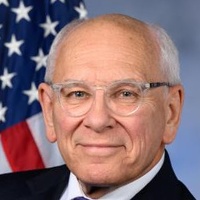
Paul Tonko
Representative
NY-20
The State Industrial Competitiveness Act of 2025 establishes a new Flex-Tech Energy Program to boost manufacturing competitiveness. This program provides financial and technical assistance to states and Indian Tribes to help local manufacturers improve energy efficiency and implement advanced technologies. Funds will support energy studies, equipment upgrades, and emissions reduction efforts at manufacturing facilities. The Act authorizes $100 million annually for this initiative from fiscal years 2026 through 2030.
New Federal Program Authorizes $500 Million to Fund Energy Upgrades for Manufacturers Through 2030
The new State Industrial Competitiveness Act of 2025 is setting up a major federal grant program aimed squarely at manufacturers who need to cut their energy costs and modernize their operations. Essentially, Congress is authorizing $100 million annually from Fiscal Year 2026 through 2030—a half-billion-dollar commitment—to help states and Tribes launch what’s called the Flex-Tech Energy Program.
The Smart Money: Paying for Efficiency
This isn't just a handout; it’s a targeted investment in efficiency and technology. The Department of Energy (DOE) will send these funds to state energy agencies or Indian Tribes that have an approved energy conservation plan. The goal is to provide financial and technical assistance to manufacturers for a few key areas: energy and water efficiency, facility resilience, reducing emissions (including greenhouse gases), and adopting advanced manufacturing tech like artificial intelligence.
Think of it this way: If you run a mid-sized machine shop or a food processing plant, energy bills are a massive overhead. This program helps you hire qualified engineering firms to conduct an “energy study” of your facility. This study looks at everything—from your lighting and HVAC to your industrial heat pumps and water systems—and gives you a detailed report on how to save money, complete with cost estimates and payback periods. Crucially, the program also provides funding to actually implement those recommendations, like installing new equipment or upgrading to a smarter system.
The Rules of the Road
The bill lays out specific rules for how states and Tribes must manage this money, which signals a focus on getting projects done rather than just studying them. First, states can’t spend more than 50% of their grant on energy studies, and they can’t spend more than 50% on implementation. This 50/50 split is designed to ensure that the money doesn't just fund reports that sit on a shelf. Furthermore, no single manufacturing facility can receive more than the greater of $100,000 or 5% of the state’s annual grant, keeping the funds spread out.
For Tribes, the bill sets aside at least 5% of the total annual funding specifically for Indian Tribes and manufacturers located in Indian Country. This dedicated funding stream acknowledges the unique needs and often limited resources available for industrial upgrades in these areas. The bill also requires the state or Tribal agency to keep a public, up-to-date list of the engineering firms approved to do this work, which helps keep the process transparent and competitive.
What This Means for Everyday People
While this bill targets manufacturers, its impact ripples outward. For the average worker, more efficient, modernized manufacturing facilities mean more competitive, stable jobs. For consumers, increased efficiency can eventually translate to lower production costs. For those concerned about climate change, the required evaluation of greenhouse gas emissions and sustainability measures baked into the energy studies is a significant step toward cleaner industrial operations.
However, there’s a cost. This is $500 million in authorized spending over five years, meaning taxpayers are footing the bill. State and Tribal agencies also take on a new administrative burden, as they have to approve plans, manage the funds, and ensure compliance with the spending caps. While the bill limits administrative costs to 10% of the grant, this is still a substantial new program to manage. The success of this program will heavily depend on how the DOE defines an “approved energy conservation plan” and whether states and Tribes can quickly line up qualified engineering firms to get the efficiency projects off the ground.