This act mandates a Government Accountability Office study on barriers, waitlists, payment rates, and inflation's impact on child care access and affordability under existing federal programs.
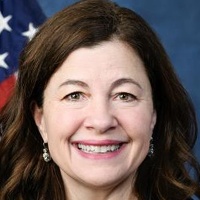
Kristen McDonald Rivet
Representative
MI-8
The Child Care Access and Affordability Act of 2025 mandates the Government Accountability Office (GAO) to conduct a comprehensive study on the state of child care access and affordability. This study will examine barriers to meeting state standards, the extent of child care waitlists, current payment rates for providers, and the impact of inflation on the system. The findings will be reported to Congress to inform future policy decisions regarding the Child Care and Development Block Grant Act.
Child Care Bill Mandates 18-Month GAO Study on Wait Lists, Inflation, and Eligibility Barriers
The “Child Care Access and Affordability Act of 2025” isn’t about opening new daycares or cutting checks just yet. Instead, this legislation is hitting the pause button to mandate a serious, deep dive into the current state of subsidized child care across the country. Essentially, Congress is ordering the Government Accountability Office (GAO)—the federal government’s watchdog and audit arm—to conduct a comprehensive study and report back within 18 months.
The Data Deep Dive: What the GAO Has to Find
This study is designed to answer four core questions that hit at the heart of the child care crisis. First, the GAO must look at the barriers parents face getting subsidized care due to state median income eligibility limits under the Child Care and Development Block Grant (CCDBG) Act. For a lot of working families, this is the classic "too rich for help, too poor to afford it" problem. This part of the study should show exactly where those income cliffs are causing problems for middle-class families.
Second, the GAO is tasked with examining the extent of wait lists for CCDBG services. If you’ve ever tried to get your kid into a decent, affordable facility, you know the waiting game is real. Crucially, the study also has to identify any state-level reforms that have successfully reduced those wait lists. This is where the rubber meets the road: finding out what actually works in practice, so other states can potentially copy the homework.
Provider Pay and the Inflation Squeeze
The third area of focus is payment rates. The GAO will analyze what CCDBG actually pays different types of providers—from large center-based facilities to smaller, home-based family child care providers. Payment rates are a huge deal because if the subsidy doesn't cover the real cost of care, providers can’t afford staff, which means fewer slots, which means longer wait lists for everyone else. This provision is about understanding if the current subsidy system is financially sustainable for the people actually watching the kids.
Finally, the study must tackle the impact of inflation. This is the most timely provision, requiring the GAO to analyze how rising costs are affecting the availability and affordability of child care. For parents, this means higher tuition. For providers, it means higher rent, higher payroll, and higher costs for everything from snacks to supplies. The study aims to quantify how inflation is undercutting efforts to expand access and improve payment rates, providing a clear picture of how macroeconomics are hitting the micro-budget of every family using or providing care.