This bill grants the Federal Government royalty-free use of literary works created by civilian faculty members of the Uniformed Services University of Health Sciences during their employment.
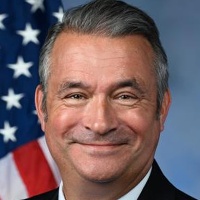
Don Bacon
Representative
NE-2
This act grants the Federal Government royalty-free use of literary works created by civilian faculty members of the Uniformed Services University of the Health Sciences as part of their employment. It amends copyright law to treat these specific works as government works, allowing for unrestricted use by the U.S. government.
Federal Government Seizes Copyright on Civilian Faculty Research at Military Medical School
This bill, the Defense Civilian Faculty Copyright Act of 2025, is a highly specific change to federal copyright law that settles who owns the intellectual property created by civilian faculty members at the Uniformed Services University of the Health Sciences (USUHS).
Essentially, the bill amends Section 105 of Title 17, U.S. Code, which deals with copyright and government works. It states that any literary works produced by USUHS civilian faculty in the course of their employment will now be treated as works of the U.S. Government. The result? The government gains immediate, royalty-free use of these materials. No permission needed, no royalties paid. If you’re a busy professional, think of this as the government clarifying that they own the blueprints you drew up while on their clock, specifically when those blueprints are medical research or educational materials coming out of this military medical university.
The Fine Print on IP Ownership
This change is all about administrative clarity, but it has a real impact on the individuals involved. When a work is deemed a “work of the U.S. Government,” it is automatically not subject to copyright protection. For the government, this is a clear win: they gain unrestricted access to research, textbooks, and other educational content created by their faculty, which is crucial for a military medical school that trains uniformed health professionals. This streamlines the use of these materials across various federal agencies and military branches, ensuring immediate distribution of critical knowledge without bureaucratic hurdles.
What It Means for the Faculty
For the civilian faculty at USUHS, this is a restriction on their intellectual property rights. If a professor writes a groundbreaking textbook or develops a critical piece of medical training material as part of their job, they lose the ability to copyright that work themselves (Section 2). This means they cannot license it commercially or control its distribution outside of their government employer. While the government benefits from immediate, free access, this provision could potentially cool the incentive for faculty members to produce high-value literary works if they were hoping to benefit from external publication or licensing revenue down the line. It’s the classic trade-off: job security and salary versus control over the fruits of your research.