The SHIELD Act of 2025 prohibits federal funding to state and local jurisdictions that interfere with, arrest, or prosecute federal law enforcement officers performing their immigration enforcement duties.
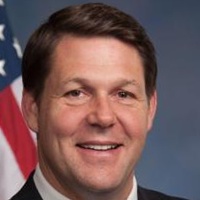
Jodey Arrington
Representative
TX-19
The SHIELD Act of 2025 prohibits state and local governments from arresting, prosecuting, or obstructing federal officers engaged in lawful immigration enforcement. Jurisdictions that interfere with these federal duties will be ineligible to receive federal financial assistance. This legislation ensures that federal authorities can carry out their immigration responsibilities without local interference.
New SHIELD Act Threatens Total Loss of Federal Funding for Cities That Interfere with Immigration Enforcement
The SHIELD Act of 2025 creates a high-stakes ultimatum for state and local governments: cooperate with federal immigration officers or lose every cent of federal financial assistance. Starting in fiscal year 2026, any jurisdiction that arrests, detains, or prosecutes a federal immigration officer—or is found to have 'interfered' with their work—becomes ineligible for federal grants, contracts, and cooperative agreements for the entire year. This isn't just about small administrative tweaks; it’s a massive financial lever aimed at ensuring federal agents from the Department of Homeland Security and Department of Justice can operate without local pushback.
The Price of Non-Compliance
Under Section 3 of the bill, the Attorney General gets the final say on whether a city or state has crossed the line. If a local police department arrests a federal agent during an immigration sweep, or if a city council passes a policy that 'obstructs' federal enforcement, that jurisdiction is cut off from federal funds. For a local resident, this could mean the sudden disappearance of federal money that pays for highway repairs, public housing, or school lunch programs. The bill even includes a 'reallocation' clause, meaning if your city loses its funding, that money gets packed up and shipped off to a neighboring town that is following the federal rules.
Broad Definitions and Real-World Risks
The bill’s definition of 'interference' is notably broad. While it clearly protects federal officers from being arrested while doing their jobs, the phrase 'interferes with or obstructs' could cover a wide range of local policies. For example, a county sheriff who refuses to hold a detainee past their release date for federal pickup might be viewed as 'obstructing' under this language. Because the Attorney General and Secretary of Homeland Security decide what counts as a violation, a local government’s entire annual budget for federal projects could be at the mercy of a single administrative decision in D.C.
The Road to Redemption
If a city finds itself in the financial doghouse, getting the money back isn't a quick fix. Section 4 requires the Attorney General to certify that the 'offending conduct' has stopped completely. More importantly, the local government must provide written assurances that they won't do it again. This creates a permanent oversight loop where local leaders must promise future compliance to keep the lights on for federal programs. For the average citizen, this bill means the local services you rely on are now directly tied to how well your local officials get along with federal immigration authorities.