This bill mandates a comprehensive report on the use of drones and counter-drone technology by government agencies, along with recommendations for policy changes and bolstering domestic manufacturing.
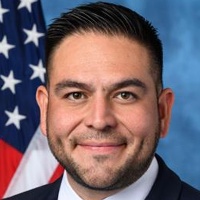
Gabriel (Gabe) Vasquez
Representative
NM-2
The Secure Our Skies Drone Safety Act of 2025 mandates a comprehensive one-year study by the Comptroller General on the use of drones and counter-drone technology by all levels of government. This report must analyze current agency deployment, sourcing of equipment, and operational policies. Crucially, it will provide recommendations for updating legal authorities and strengthening domestic manufacturing capabilities for UAS technology.
New Drone Safety Act Orders 1-Year Deep Dive Into Government Drone Use and Foreign Sourcing
The “Secure Our Skies Drone Safety Act of 2025” isn’t about immediately changing the rules for drone users, but it’s a big move toward figuring out what those rules should be. This bill mandates a comprehensive study and report from the Comptroller General (the government’s top auditor) within one year. Think of it as a massive inventory check and policy review on all things unmanned aircraft systems (UAS)—drones—used by Federal, State, local, and Tribal agencies.
The Government’s Drone Inventory Check
This is where the rubber meets the road for agencies using drones, from the FBI down to your local police department. The report requires a detailed count of how many drones they own, how often they use them, and what they use them for. For example, if a State police force uses drones primarily for accident reconstruction or search and rescue, that data will be collected. The bill also demands specific information on training: Are the operators certified? What policies govern their use? For the average person, this means a future look at transparency—we’ll get a much clearer picture of how government agencies are deploying this technology.
Where Did That Drone Come From?
One of the most interesting parts of this study focuses on national security and supply chains. The Comptroller General must find out how many drones used by State, local, and Tribal agencies were purchased from entities operating within an “adversarial nation.” This is a direct signal that Congress is worried about foreign-made technology being used in sensitive government operations. The report also has to look at how many drones are domestically produced and what cost restrictions prevent agencies from buying American-made (or allied-nation-made) drones. This part of the bill is setting the stage for future policy that could heavily favor U.S. drone manufacturers, potentially shifting procurement costs and options for local agencies.
Policy Gaps and Privacy
Beyond the inventory, the report has two crucial policy components. First, it must recommend changes to existing legal authorities and policies needed to improve the agencies’ ability to counter UAS threats—that is, stop unauthorized or dangerous drones. This is a broad request (SEC. 2, 1. Recommendations) and could lead to proposals for expanding surveillance or intervention powers, so future policy debates will need to carefully balance these security needs with civil liberties. Second, the study must detail what privacy protections and expectations currently exist regarding government drone use. For the public, this is key: it forces a formal assessment of how current drone operations safeguard personal data and privacy, which is often a major concern when new surveillance technology is deployed.