This bill establishes a grant program to fund voluntary "Blue Envelope Programs" that train law enforcement and provide resources to improve interactions with individuals who have autism or other developmental, cognitive, sensory, or communication disabilities.
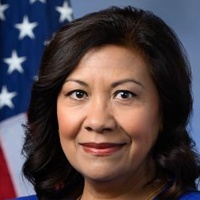
Norma Torres
Representative
CA-35
This bill establishes the Supporting Blue Envelope Programs Act to create a grant program managed by the Attorney General. These grants will fund local initiatives that provide training and resources to improve interactions between law enforcement and individuals with autism or other developmental, cognitive, sensory, or communication disabilities. The voluntary programs will offer participants items, like blue envelopes, to help overcome communication barriers during encounters.
New Grant Program Authorizes $25 Million to Improve Police Interactions with People Who Have Disabilities
The Supporting Blue Envelope Programs Act aims to tackle a difficult, high-stakes problem: ensuring safer and clearer interactions when law enforcement encounters individuals with autism spectrum disorder or developmental, cognitive, sensory, or communication disabilities. Essentially, this bill creates the Blue Envelope Grant Program, authorizing $5 million annually from Fiscal Year 2027 through 2031 to fund programs that provide training for officers and communication tools for citizens.
This isn’t about creating a government registry or forcing anyone to sign up. The bill explicitly states that participation must be completely voluntary and must not require individuals to register or be on a participant list. Instead, the grants will fund programs that provide physical items to help overcome communication barriers, such as blue envelopes to store ID and medical information in a car, or accessories like car decals, seatbelt covers, and pins.
The Communication Toolkit
Think of the blue envelope concept as a standardized, voluntary heads-up system. If you are a parent of an adult with autism, or perhaps you yourself have a sensory processing disorder, a traffic stop or other police interaction can quickly escalate due to miscommunication. This program seeks to mitigate that by providing tangible items that signal to an officer, right away, that communication might require special care or patience. For example, a blue envelope in the glove box could contain essential information that explains communication needs, making a stressful roadside stop much smoother and safer for everyone involved.
Grants are available to law enforcement agencies that partner with qualifying nonprofits, or to nonprofits that partner with law enforcement. This required partnership structure is key, ensuring that programs aren't just police-led but incorporate the expertise of organizations that serve the disability community. The bill prioritizes programs that use person-centered, trauma-informed practices and actively seek feedback from self-advocates—meaning the training should be designed by and for the people who actually experience these interactions.
Who Gets the Money and Why
The Director of the Bureau of Justice Assistance, who handles these grants, is directed to prioritize programs that are scalable and have community support, and to ensure the funds are distributed broadly across different geographic areas, including rural and tribal communities. While prioritizing scalability makes sense for maximizing reach, it does introduce a small risk: sometimes the best, most specialized local programs might get overlooked in favor of larger entities that can promise wider coverage, even if their specific expertise is lower. However, the requirement to involve self-advocates and use trauma-informed practices acts as a necessary check on quality.
Ultimately, this bill is about providing resources for training and tools. It’s a targeted effort to improve safety and understanding during high-stress situations. If successful, it means better training for officers and a simple, voluntary way for individuals with certain disabilities to communicate their needs quickly and clearly during an encounter—a win for community safety and clarity.