This bill authorizes a pilot program for the Secretary of Defense to test providing monthly food coupons to junior enlisted members for use at commissaries.
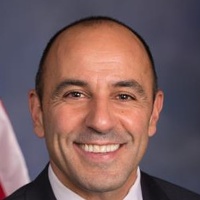
Jimmy Panetta
Representative
CA-19
This bill establishes a pilot program for the Secretary of Defense to test providing monthly food coupons to junior enlisted service members for use at commissaries. The program aims to assess the effectiveness of this benefit in improving access to affordable, healthy food, especially for those in unaccompanied housing. The results will be reported to Congress after the program concludes within one year.
New DoD Pilot Program to Test Monthly Food Coupons for Junior Enlisted Troops Living on Base
This legislation authorizes the Department of Defense (DoD) to launch a one-year pilot program providing monthly food coupons to junior enlisted service members. The core idea is to test whether this benefit can effectively combat food insecurity, especially for troops living in unaccompanied housing on base. This isn't about replacing the existing Basic Allowance for Subsistence (BAS); the bill explicitly states the coupon must supplement any existing food benefit.
The Real-World Problem: Kitchen-less Barracks
Congress is aware that many junior enlisted members—the E-4s and below—who live in government-provided quarters often face significant challenges getting affordable, healthy food. Sometimes, these barracks don't have functional kitchens, forcing troops to rely on dining facilities (DFACs) or expensive convenience options. This bill is a direct response to that reality, aiming to explore ways to get better, cheaper food into the hands of those who need it most.
How the Coupon Program Will Roll Out
The Secretary of Defense gets to pick two military installations for this test run. The selection process is pretty specific, focusing on places where the problem is most acute. They’ll look for bases with high numbers of junior enlisted living in barracks, especially those where the DFACs have low customer satisfaction ratings or where troops have complained via the Interactive Customer Evaluation (ICE) system. Crucially, they’ll prioritize installations where the unaccompanied housing does have functional kitchens, suggesting the program is aimed at encouraging meal preparation rather than just buying expensive ready-made food.
What You Can Buy (and What You Can't)
If you’re one of the troops selected for this pilot, you’ll get a monthly coupon—the dollar amount is up to the Secretary, which is a potential point of vagueness—that can only be used for food purchases at the military commissary. This is strictly food for home consumption, including ready-made items. The bill lays down clear rules about what the coupon cannot be used for: alcohol, tobacco, or those annoying bottle deposit fees. The entire point is to steer the money toward groceries and away from vices, ensuring the funds directly address the food security issue.
The Data Collection Mission
This is a pilot program, meaning the data matters more than the immediate benefit. The DoD has to track everything for a year. They’ll be looking at how members used the coupons, measuring satisfaction, and assessing the impact on food insecurity. They also have to compare the data against historical DFAC usage and satisfaction rates. Essentially, they are trying to figure out: Does this coupon system work better than just forcing everyone through the dining hall? If the pilot is successful in reducing food insecurity and increasing access to nutritious options, it sets the stage for expanding the program across the entire force.