This bill mandates detailed annual reporting to Congress by the Federal Reserve, OCC, and FDIC regarding their interactions with global financial regulatory forums.
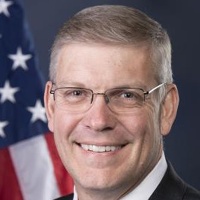
Barry Loudermilk
Representative
GA-11
The American Financial Institution Regulatory Sovereignty and Transparency Act of 2025 (American FIRST Act) mandates that key federal banking agencies significantly increase transparency regarding their international regulatory activities. This bill requires the Federal Reserve, the Comptroller of the Currency, and the FDIC to submit detailed annual reports to Congress about their engagement with global financial forums. These reports must cover the purpose, funding, positions taken, and implementation plans related to standards set by these international bodies.
American FIRST Act Mandates Full Disclosure on How U.S. Banking Regulators Cut Deals with Global Groups
When the Federal Reserve or the FDIC makes a big rule change, it often starts with a conversation at a high-level meeting in Switzerland or D.C. that most Americans never hear about. The American FIRST Act of 2025 aims to pull back the curtain on these international huddles. It requires the three heavy hitters of U.S. banking—the Federal Reserve, the Office of the Comptroller of the Currency (OCC), and the FDIC—to stop being vague about their world travels. Under this bill, they must provide a play-by-play in their annual reports to Congress, detailing exactly which global forums they belong to, who is funding those groups, and what kind of standards they are trying to cook up for the world’s banks.
The Global Paper Trail
Think of this as a mandatory 'trip report' for the people who manage our money system. Agencies will have to list every group they participate in, such as the Basel Committee on Banking Supervision or the Network for Greening the Financial System. It’s not just a list of names; they have to provide organizational charts of the staff involved and, more importantly, the specific positions the U.S. took during negotiations. If a group like the Bank for International Settlements suggests a new way to measure bank risk, our regulators have to explain why they agreed or disagreed and what that means for U.S. law. For a small business owner waiting on a loan, these international standards can eventually trickle down to how much capital a local bank has to hold, which directly affects interest rates and loan availability.
Showing the Math on New Rules
One of the most practical shifts in this bill is the requirement for an economic impact analysis. If the Federal Reserve decides to implement a policy agreed upon at a global forum, they can’t just say 'everyone else is doing it.' They must provide a justification showing that the expected benefits for the American economy actually outweigh the costs. This is designed to prevent 'regulatory creep,' where international suggestions become American requirements without a clear check on how they hit the wallets of everyday consumers or the operational costs of a credit union on Main Street.
Keeping the Conversation Going
To make sure this isn't just a document that gathers dust in a basement, the bill mandates that the Federal Reserve include these international updates in their biannual testimony to Congress. This means twice a year, your representatives have a specific opening to ask, 'What exactly did you promise at that meeting in Basel, and how is it going to affect mortgage rates back home?' By defining exactly what counts as a 'global forum' and requiring the text of final policies to be made public, the bill attempts to ensure that while our regulators are acting on a global stage, they remain accountable to the domestic audience that actually deals with the results.