The STORM Act authorizes the President to partner with private technology platforms to rapidly deploy credentialed, independent contractor healthcare workers across state lines during declared emergencies by facilitating licensure waivers and providing liability protections.
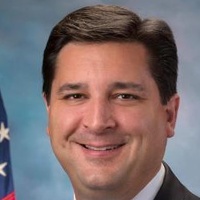
David Rouzer
Representative
NC-7
The STORM Act establishes a framework for utilizing private, certified health care workforce platforms to rapidly deploy independent contractor medical professionals during federally declared emergencies. This allows the President to coordinate with states to facilitate temporary licensure waivers for these out-of-state workers. The bill also provides liability protections for the platforms and deployed workers acting under authorized emergency response agreements.
The STORM Act: How Private Tech Platforms Could Deploy Healthcare Workers—and Bypass State Licensing—During Emergencies
The Strategic Teams for Organized Response Mobilization Act, or the STORM Act, is a new proposal designed to solve one of the biggest logistical headaches during a major crisis: getting qualified medical staff where they need to be, fast. The bill’s core mechanism (SEC. 2) allows the President to certify and contract with private technology companies—dubbed “health care workforce platforms”—to mobilize independent contractor health care workers during a federally declared emergency. These platforms must be self-sustaining outside of emergency times, essentially leveraging existing gig-economy infrastructure for public health crises.
The Emergency Gig Economy for Doctors
Think of this as Uber for emergency medical staff, but with federal backing. The bill aims to leverage platforms that already credential and manage licensed health care professionals on a contractual basis. The biggest change here is how the bill handles state licensing. Normally, a nurse licensed in Texas can’t just cross the border and work in Louisiana during a hurricane without going through a complicated, time-consuming process. The STORM Act allows the President to coordinate with states to facilitate waivers of these state licensure requirements for out-of-state workers deployed through a certified platform, provided the worker holds a valid license in at least one state.
This is a massive shift. The President must establish model waiver procedures that prioritize quick deployment and allow states to rely on the vetting already performed by the private platform. For communities hit hard by a disaster, this means help could arrive days or weeks faster. However, it also means state medical boards—the folks who usually ensure every practitioner meets local standards—are essentially asked to trust the platform's vetting process during a crisis, which raises understandable questions about oversight and accountability, particularly when speed is the main goal.
Who Takes the Hit When Things Go Wrong?
One of the most consequential sections of the bill deals with liability protections. Independent contractor health care workers and the certified platforms are generally protected from liability for injuries or damages resulting from their authorized emergency activities, provided they aren't grossly negligent, willfully misconducting, or acting in bad faith (SEC. 2. Liability Protections). This shield is crucial for convincing workers and companies to step into high-risk disaster zones.
Even more significantly, when the federal government declares it has primary response responsibility for an emergency, any private entity (including the platform and its workers) acting under a federal contract will be considered a federal employee for the purposes of the Federal Tort Claims Act (FTCA). In plain English, this means if a claim is filed against a platform worker during that specific federal response, the claim goes through the federal government’s legal system, not the local courts. This provides a clear, strong liability framework, but it also potentially shields these private companies from the kind of local accountability that usually follows medical mishaps.
The Trade-Off: Speed vs. Oversight
For the average person, the STORM Act promises faster access to medical care when a disaster strikes. If you live in a flood zone and your local hospital is suddenly short-staffed, this mechanism could save lives by rapidly importing help. For independent contractor medical staff, it means a clear path to emergency work with liability protection.
However, the bill essentially centralizes emergency staffing power in the executive branch and relies heavily on private tech companies whose primary mission is profit, not public health. While the platforms must be “self-sustaining,” the definition is vague, and the certification process will be entirely up to the President. This means the effectiveness of this entire system hinges on the quality of the certified platforms and whether the rush to deploy workers through licensure waivers compromises the thorough vetting processes that protect patients in non-emergency times.