This act mandates the creation of a public, annually updated directory listing healthcare providers who accept CHAMPVA insurance assignments.
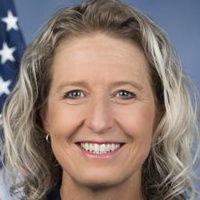
Jennifer Kiggans
Representative
VA-2
The Clarity on Care Options Act mandates the creation of a public, easily accessible directory listing healthcare providers who accept CHAMPVA assignments as full payment. This is achieved by requiring annual surveys of providers within VA health care networks to determine their acceptance status. The Secretary of Veterans Affairs must publish the initial directory within 180 days of enactment and report annually to Congress on provider acceptance rates and service gaps.
New VA Bill Mandates Public Directory of CHAMPVA Providers to Boost Care Access
The Clarity on Care Options Act is a straightforward piece of legislation aimed at solving a common frustration for military families: finding a doctor who actually takes their insurance. Specifically, this bill mandates the creation of a publicly available, searchable directory of healthcare providers who agree to “accept assignment” under the CHAMPVA program (Civilian Health and Medical Program of the Department of Veterans Affairs).
The CHAMPVA Catch-22
If you or a family member use CHAMPVA—which provides health coverage for spouses, widows, and children of veterans with certain service-connected disabilities—you know the drill. Finding a provider is only half the battle. The real hurdle is finding one who agrees to accept assignment. This means the provider agrees to take the CHAMPVA-approved amount as full payment for services, which is crucial because it keeps the beneficiary from getting stuck with surprise balance bills. Without a list, beneficiaries currently have to call every office individually, often leading to wasted time and delayed care. This bill cuts through that noise by requiring the VA to publish a centralized list (SEC. 2).
How They Plan to Build the List
To build this resource, the Secretary of Veterans Affairs must first mandate that every entity administering a VA health care network conduct an annual survey of its providers. These administrators have to ask each provider point-blank: “Do you accept CHAMPVA assignment?” The results of these surveys must be submitted to the VA, which will then compile the public directory. The clock starts ticking fast: the first surveys must be completed within 90 days of the bill becoming law, and the first public directory must be live within 180 days (SEC. 2).
Data That Drives Change
This isn't just about a simple directory; it’s about collecting hard data on where the care gaps are. For five years after the bill is enacted, the VA must report annually to Congress on provider participation. These reports must break down, state by state and by geographic network, how many providers accept CHAMPVA and, critically, identify the specific areas where CHAMPVA beneficiaries live but where no providers accept assignment. This detailed, mandated reporting is key because it forces the VA to pinpoint exactly where the access problem is worst. For a military spouse trying to find a specialist in a rural area, this data could eventually lead to targeted recruitment efforts, improving the network where it's needed most.
The Real-World Impact
For the average CHAMPVA user, this bill is a huge win for convenience and financial security. Instead of navigating a phone tree labyrinth, they will have a single, reliable source to find a doctor who won't hit them with a surprise bill. Think of it like a verified Google Maps for your specific insurance needs. The biggest impact will be felt by those who currently have the toughest time locating care, particularly in areas where provider participation is low. While the initial burden falls on the VA network administrators to conduct the mandatory surveys, the long-term benefit is a more transparent and usable healthcare system for military families who rely on CHAMPVA.