The SAFE Drugs Act of 2025 limits pharmacists and physicians from excessively copying commercial drugs through compounding, establishes new annual reporting for out-of-state compounding, increases FDA inspection frequency for large-scale facilities, and adjusts compounding facility fees.
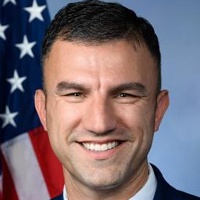
Rudy Yakym
Representative
IN-2
The SAFE Drugs Act of 2025 aims to enhance the safety and oversight of drug compounding by limiting the ability of pharmacists and physicians to copy commercially available drugs. It introduces new annual reporting requirements for pharmacies compounding drugs for out-of-state patients and imposes stricter FDA inspection schedules for large-scale compounding facilities. Furthermore, the bill mandates registration for all outsourcing facilities and adjusts the fee structure used to fund safety assurance activities.
SAFE Drugs Act Caps Custom Drug Compounding at 20 Times Monthly, Mandates FDA Inspections for Large Facilities
The “Safeguarding Americans from Fraudulent and Experimental Drugs Act of 2025,” or the SAFE Drugs Act, is a major overhaul of how specialized pharmacies—known as compounders—operate. Essentially, this legislation tightens the leash on two things: how often compounders can make drugs similar to commercial products, and how much oversight the FDA has on high-volume facilities. If you rely on compounded medications or run a small pharmacy, this one hits close to home. The bill aims to increase safety, but it comes with significant new administrative hurdles and volume limits.
The 20-Count Rule: Limiting Customization
Section 2 of the SAFE Drugs Act introduces a strict cap on what a pharmacist or physician can compound. They can now only compound a drug that is “essentially a copy” of a commercially available drug product no more than 20 times in a single month. Think of it like this: if a popular drug exists, but a patient needs a version without a specific inactive ingredient (like a dye or filler) due to an allergy, the compounder can make that custom version. However, if they do this for 21 patients in one month, they’ve broken the rule.
The bill defines “essentially a copy” very broadly: if it uses any active ingredient from a commercial drug, it counts—unless the prescribing doctor determines the change creates a “significant difference” for that specific patient. That term, “significant difference,” is where things get vague (Vagueness Level: Medium). It puts the onus on the doctor to justify the customization, and that subjectivity could lead to enforcement disputes. For patients who need frequent, specialized tweaks to their meds, this 20-count limit could restrict access to their customized prescription, especially in smaller compounding operations.
New Paperwork for Out-of-State Prescriptions
If you live in a border town or get your specialized medication from a compounder across state lines, Section 3 adds a new layer of bureaucracy. If a pharmacy or physician compounds a drug containing a commercial active ingredient more than 20 times in a month for patients outside their state, they now have to file an annual report with the Secretary of Health and Human Services. This report must detail every type of drug and how many times it was compounded monthly. The reporting deadline is tight—by the end of the same calendar year. While hospital pharmacies compounding for their own patients are exempt, this is a new administrative burden for small compounders serving regional clients.
Mandatory Inspections for the Big Players
For large-scale outsourcing facilities—the ones that pump out high volumes of compounded drugs—Section 4 mandates much stricter FDA oversight. If a facility compounds any drug product more than 100 times in a single calendar year, it’s now considered “large-scale.” These facilities must now undergo two mandatory inspections: one before they start compounding any drug for the first time, and a reinspection at least every two years thereafter. This is a clear win for safety (Potential Benefit), ensuring that the facilities operating at factory scale are regularly checked by the FDA.
Crucially, this section also removes an exemption, requiring all outsourcing facilities—not just the large ones—to register with the FDA. This means even smaller facilities operating under the outsourcing model will now be fully on the FDA’s radar, increasing transparency and accountability for the entire sector.
Funding the Oversight
Finally, Section 5 changes how compounding facilities pay the federal government to fund this oversight. Currently, there’s a fixed base establishment fee of $15,000. Under the SAFE Drugs Act, the Secretary of Health and Human Services will now determine an appropriate base amount to fund the necessary safety activities. By replacing the fixed number with a flexible determination (Power Concentration: Medium), the bill gives the Secretary significant financial control. While the goal is to ensure adequate funding for safety, this change introduces unpredictability for facilities budgeting for their annual fees.