The BARS Act streamlines the deployment of broadband infrastructure by exempting certain communications projects from NEPA and NHPA reviews and establishing timelines for tribal consultation.
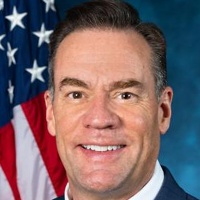
Russ Fulcher
Representative
ID-1
The Broadband for Americans through Responsible Streamlining (BARS) Act aims to accelerate the deployment of communications infrastructure by exempting certain projects from review under the National Environmental Policy Act (NEPA) and the National Historic Preservation Act (NHPA). The bill streamlines the permitting process for wireless and wireline facilities, particularly those on existing infrastructure or within public rights-of-way. Additionally, it establishes a 45-day response deadline for Indian Tribes regarding project reviews, after which a presumption of non-interest is applied to facilitate project completion.
New Broadband Bill Slashes Environmental and Tribal Reviews to Speed Up Internet Construction
The Broadband for Americans through Responsible Streamlining (BARS) Act aims to put the pedal to the floor on internet infrastructure by cutting through the regulatory red tape that usually slows down construction. Specifically, it targets two major hurdles: the National Environmental Policy Act (NEPA) and the National Historic Preservation Act (NHPA). By labeling many projects as 'non-major' federal actions, the bill effectively bypasses the lengthy studies typically required before a company can dig a trench or put up a tower on federal land. Whether it’s swapping out old gear, adding equipment to an existing tower, or running wires along a public road, this bill wants to make the paperwork disappear so the fiber can get in the ground faster.
The Fast Track for Towers and Tech
Under Section 2, if a company wants to mount a small wireless facility or replace outdated communications equipment, the bill provides a 'get out of review free' card. For the average person, this could mean that dead zone in your neighborhood gets fixed months or even years sooner because the provider doesn't have to wait for an environmental impact statement. It also simplifies getting easements on federal property. If there is already a utility line or a cell tower on a piece of federal land, the government can approve a new one without a fresh round of environmental or historical checks. For a construction worker or a technician, this translates to more 'shovel-ready' projects and fewer delays waiting for a permit from a federal bureaucrat.
A Tight Clock for Tribal Consultation
One of the more sensitive parts of the bill involves how it handles land with historical or cultural significance to Indian Tribes. Section 3 sets a strict 45-day timer. If a company sends the FCC the required paperwork (Forms 620 or 621) and a Tribe doesn't respond within that window, the law will automatically assume the Tribe has no interest in the project and that the company acted in good faith. While this prevents projects from sitting in limbo indefinitely, it puts a massive administrative burden on Tribal governments who might be juggling dozens of requests at once. If you live near or on Tribal lands, this could mean projects move forward before local leaders have had a chance to fully vet whether a new tower might disturb a sacred site or a piece of history.
The Balancing Act of Progress
While the bill is a win for anyone tired of buffering icons—especially in rural areas where federal land often blocks the path of new fiber—it does raise some eyebrows regarding oversight. By streamlining these rules, we are essentially trusting that these 'covered projects' won't have a significant impact on the environment or local history. The bill does keep one safety check in place: Section 4 clarifies that the FCC still has to evaluate radiofrequency (RF) exposure. So, while the bill moves fast on where you can build, it doesn't change the safety standards for the signals themselves. The real-world result is a trade-off: faster, more reliable internet access across the country, but with significantly less time for communities and environmental groups to weigh in on the footprint those projects leave behind.