This bill establishes USDA assistance, including direct payments and surplus crop purchases, for specialty crop growers and wine producers facing financial losses due to factors like increased tariffs.
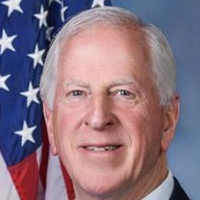
Mike Thompson
Representative
CA-4
The Specialty Crop & Wine Producer Tariff Relief Act establishes a direct payment program administered by the USDA to compensate specialty crop growers and wine producers for specific financial losses, such as those related to increased tariffs or reduced exports. The bill also authorizes the Secretary to purchase surplus crops for distribution through federal nutrition assistance programs. This assistance is authorized for fiscal years 2026 through 2030, with required reporting to Congress on payments and purchases.
Tariff Relief Bill Authorizes USDA to Buy Surplus Specialty Crops for Federal Nutrition Programs
The Specialty Crop & Wine Producer Tariff Relief Act is essentially a financial safety net designed for a very specific slice of the agriculture world: growers of specialty crops (like fruits, vegetables, and nuts) and wine producers. The bill directs the Department of Agriculture (USDA) to create a direct payment program within six months to compensate these producers for “covered losses.” This program is authorized through fiscal year 2030 and will be administered similarly to existing specialty crop assistance programs.
The Trade Safety Net: When Tariffs Hit Hard
This bill directly addresses the fallout from trade disputes. For specialty crop growers and wine producers, a “covered loss” is defined broadly, covering everything from the increased costs of specialized handling (think temperature-controlled trucks for tender produce) and protective packaging, all the way to reduced export revenue caused by new foreign tariffs imposed after January 20, 2025. If you’re a wine producer, the bill specifically compensates for lost “qualifying export revenue”—meaning the loss must be tied to wine made with U.S.-grown grapes. The goal is to stabilize these high-value, often perishable markets when global trade gets rocky, essentially using taxpayer funds to backstop producers against international market shifts.
From Surplus to School Lunch: The Nutrition Connection
One of the most interesting parts of this legislation is the dual-purpose solution for surplus crops. The Secretary of Agriculture gets the authority to purchase these surplus specialty crops—the ones that might otherwise go to waste if markets are saturated or exports fall through—and distribute them through federal nutrition assistance programs. This means programs like the school breakfast and lunch programs, SNAP (Supplemental Nutrition Assistance Program), and potentially others determined by the Secretary, could see an influx of fresh, domestically grown produce. For the average person, this provision is a two-for-one: it helps stabilize the farm economy and potentially improves the quality and quantity of food available in vital assistance programs.
What This Means for Everyday Life
If you’re a taxpayer, this bill creates a new line item for federal spending, authorized for five years (FY 2026–2030), to fund these direct payments and crop purchases. While only 1% of the total authorized funds can be used for administrative costs, the overall cost of compensating for trade losses and buying up surplus crops could be significant. If you rely on federal nutrition programs, this bill could mean more variety and fresh options showing up in your school cafeteria or on your local food bank shelves.
However, the bill’s broad definition of “covered loss”—which includes general increased costs related to perishability and handling—gives the USDA a lot of discretion. This level of vagueness means the program’s eventual cost and reach will depend heavily on how the USDA decides to interpret and audit those claims. While the bill aims to support specific sectors, the USDA is required to report back to Congress annually through 2030, detailing exactly how much money went out and which crops were purchased, giving us a clear view of the program’s real-world impact over time.