The National Oversight and Enforcement of Misconduct (NOEM) Act allows individuals to file civil lawsuits against federal immigration officials for constitutional or federal rights violations.
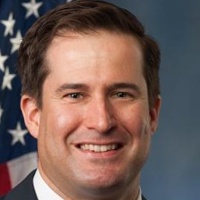
Seth Moulton
Representative
MA-6
The National Oversight and Enforcement of Misconduct (NOEM) Act expands legal accountability by allowing individuals to file civil lawsuits against federal immigration officials for constitutional or civil rights violations. This legislation ensures that those acting under federal immigration authority are held to the same standards of liability as state and local officials.
NOEM Act Opens Door for Civil Rights Lawsuits Against Federal Immigration Officers
The National Oversight and Enforcement of Misconduct Act (NOEM Act) aims to close a significant legal loophole that has long shielded federal immigration officers from personal accountability. By amending Section 1979 of the Revised Statutes—the foundational law that lets citizens sue government officials for civil rights violations—this bill adds 'federal immigration enforcement authority' to the list of roles that can be held liable in court. Essentially, if a federal agent violates your constitutional rights while performing immigration duties, this bill gives you the specific legal standing to take them to civil court, just as you currently can with a local police officer or a state trooper.
Levelling the Legal Playing Field
For most people, the distinction between a local cop and a federal agent feels like splitting hairs, but in a courtroom, it’s a massive divide. Currently, suing a federal agent for a civil rights violation is notoriously difficult due to a legal doctrine that limits when federal employees can be held personally responsible. The NOEM Act changes the math by explicitly placing federal immigration enforcement under the same standards as state and local authorities. This means if an agent performs an illegal search of your home or uses excessive force during an encounter, the path to seeking damages becomes much clearer. It’s about ensuring that the badge someone wears doesn't determine whether they have to follow the Constitution.
Accountability in the Field
This change has immediate implications for everyone from logistics managers at warehouses to families in border communities. For a small business owner whose facility is searched, the bill provides a concrete mechanism to hold the specific individuals accountable if they exceed their legal authority under Section 2 of the Act. While the bill doesn't change the laws regarding what immigration officers are allowed to do, it significantly raises the stakes for how they do it. By creating a direct threat of litigation, the legislation acts as a structural nudge toward better training and more disciplined conduct during enforcement actions.
The Reality of Implementation
While the bill provides a powerful new tool for individuals and civil rights groups, it doesn't mean every grievance will result in a payday. Plaintiffs will still have to prove that a specific right was violated, which remains a high bar in federal court. For the officers on the ground, this represents a shift in their professional risk landscape, as they may now face increased personal legal scrutiny. However, for the average person, the NOEM Act serves as a vital 'fine print' update to the social contract, ensuring that federal immigration authority is subject to the same checks and balances we expect from the rest of law enforcement.