This bill directs the Secretary of Defense to establish a pilot program sending informational text messages to service members and their dependents at Marine Corps bases in Okinawa, Japan.
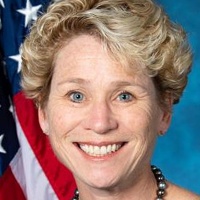
Chrissy Houlahan
Representative
PA-6
This bill directs the Secretary of Defense to establish a pilot program to deliver timely and relevant information via text message to service members and their adult dependents stationed at Marine Corps bases in Okinawa, Japan. The program will automatically enroll recipients, who will receive updates on employment, childcare, TRICARE benefits, and policy changes. The Secretary must report on the program's implementation, usage, and recommendations for potential expansion by October 2027.
New DoD Pilot Program Texts Critical Info to Military Families in Okinawa: Automatic Enrollment, Opt-Out Required
The Department of Defense is launching a new communication strategy aimed squarely at military families stationed overseas. This legislation directs the Secretary of Defense to establish a pilot program called the Push-Text Initiative within a year of enactment. The goal is simple: use text messages to get timely, relevant information directly into the hands of service members and their adult dependents at Marine Corps bases in Okinawa, Japan. Think of it as cutting through the base email clutter and getting the important stuff straight to your phone.
The Automatic Enrollment Catch
This isn't an opt-in program; it’s an automatic enrollment system. The DoD will use existing contact information to sign up all eligible service members and their adult dependents at the pilot locations. The good news is that you can opt out at any time, but the default setting is in. This approach ensures maximum reach, which is key for families navigating a foreign environment, but it also means busy people might need to actively manage one more notification stream. The focus is on critical support topics, ensuring the texts are worth the tap.
What’s Actually Coming in the Texts?
The text messages aren’t just going to be generic announcements; the bill specifies exactly what information needs to be included. For military spouses—a group that often faces significant career hurdles with every PCS—the texts will cover employment opportunities, career counseling, and support programs (Sec. 1). For parents, the texts will provide updates on childcare services, availability, and fee assistance programs, both on and off base. This is huge, as childcare access is often the number one stressor for military families. They’ll also cover TRICARE program benefits and enrollment deadlines, plus any major changes to DoD policies or federal laws that affect their day-to-day lives.
Who Benefits and What’s the Catch?
The primary beneficiaries are the service members and their families stationed in Okinawa who often rely on outdated or fragmented communication channels. Getting direct alerts about benefit deadlines or changes to base access rules can save a huge amount of time and stress. However, the bill gives the Secretary broad authority to include “Any other information the Secretary considers relevant to the well-being of members and dependents.” While this flexibility is intended to be helpful, it’s a wide-open door that could lead to non-essential communications if not managed carefully. Nobody wants their phone blowing up with low-priority texts.
The Report Card
This is a pilot program, meaning Congress wants to see the data before scaling it up. The Secretary of Defense is required to submit a detailed report to Congress by October 1, 2027. This report won’t just track the number of texts sent; it must analyze the opt-out rate, the program’s operating costs, and any observed benefits or outcomes. Crucially, the report must assess whether the text program saved money by scaling back other, less efficient outreach efforts. This data-driven approach means if the texts are effective and cost-efficient in Okinawa, we could see this kind of direct communication rolled out across the entire Department of Defense.