This act establishes grant programs to fund the planning and development of new physician residency training programs specifically located in rural areas.
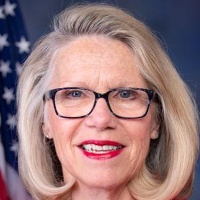
Carol Miller
Representative
WV-1
The Rural Residency Planning and Development Act of 2025 establishes new grant programs to boost physician training in underserved areas. These programs will fund the creation of new rural residency programs and provide technical assistance to applicants and current grantees. The goal is to increase the number of physicians practicing in rural communities across primary care, high-need specialties, and maternal health.
New Act Authorizes $12.7 Million Annually to Create Rural Doctor Residencies, Focusing on Primary Care and OB-GYN
The Rural Residency Planning and Development Act of 2025 is looking to tackle one of the biggest headaches in rural America: finding a doctor. This legislation aims to create two new grant programs under the Public Health Service Act, funneling money directly into establishing physician residency training programs in rural areas. Starting in 2026 and running through 2030, the bill authorizes $12.7 million annually to fund these efforts, with the goal of training doctors who will stick around and practice where they are needed most (SEC. 2).
The Doctor Shortage: A Real-World Fix
Think of this bill as a targeted investment in the medical pipeline. The core program provides grants to organizations—which can be anything from a rural hospital to a for-profit entity or an Indian Tribe—to establish brand-new rural residency programs. The training must focus on general primary care, high-need specialties like psychiatry or general surgery, or crucial areas like maternal health and obstetrics (OB-GYN). For the average person in a small town, this means a potential future where the wait time for a family doctor isn't six months, or where having a baby doesn't require a two-hour drive to the nearest city.
To qualify as a “rural residency program,” the training must be accredited and require residents to spend more than 50% of their total residency time in a rural area. The entire program needs to focus primarily on producing physicians who will practice in those rural settings. This isn't just about temporary training; it’s about building a long-term workforce.
Backing Up the Builders: Technical Support Grants
Setting up a residency program is complicated, full of accreditation hurdles and administrative red tape. That’s where the second grant program comes in: the Technical Assistance Program. It awards grants for up to four years to eligible entities whose sole job is to help current grantees and potential applicants navigate the process. This is the nuts-and-bolts support that ensures the new residency programs actually get off the ground and stay compliant. It’s the difference between handing a hospital a check and making sure they have the expertise to use it effectively.
The Fine Print: Where the Money Goes
While the goal is fantastic—more doctors for underserved areas—the bill gives the Secretary of Health and Human Services significant discretion. The Secretary gets to define what counts as a “rural area” and what “other pathways” for training are appropriate, which means the success of the program hinges heavily on how those definitions are applied. Also, the bill explicitly allows for-profit entities to receive these grants. While this broad eligibility could speed up development, it means public funds are going to private companies, which always raises the question of oversight to ensure the community, not just the shareholder, benefits.
Ultimately, this legislation is a direct attempt to fix the rural healthcare crisis by funding the creation of training programs where the need is greatest. If successful, it could mean better access to mental health services, general surgery, and essential maternal care in places that desperately need it, starting with an authorized investment of $12.7 million per year.