This act mandates that thirty specified federal officials must provide an annual briefing to designated congressional committees.
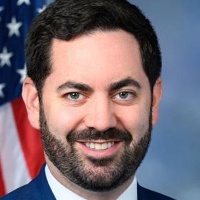
Michael Lawler
Representative
NY-17
The Executive Transparency Act mandates that 30 specified high-level federal officials must provide annual briefings to designated congressional committees. This legislation aims to enhance oversight by requiring regular, detailed reports from key executive branch leaders to relevant legislative bodies. These briefings will cover the officials' respective areas of responsibility as determined by the committees.
Executive Transparency Act Mandates Annual Face-to-Face Accountability for 30 Top Federal Officials
The Executive Transparency Act is a straightforward piece of legislation that puts 30 of the most powerful people in Washington on a strict schedule. By amending Title 5 of the U.S. Code to add Section 2955, the bill requires the heads of major departments and agencies—ranging from the Secretary of Defense to the Chair of the Federal Reserve—to provide an annual briefing to the congressional committees that oversee their work. Instead of oversight being an occasional or optional event, this bill turns it into a mandatory yearly check-in, ensuring that the people running everything from our tax system to our national parks are answering directly to elected representatives on a predictable basis.
The Yearly Roll Call
Under this bill, the 'who’s who' of the executive branch gets a new recurring calendar invite. For example, the Secretary of Labor is now required to brief the House Committee on Education and the Workforce and the Senate Committee on Health, Education, Labor, and Pensions every single year. For a construction worker or a software developer, this means the person in charge of enforcing workplace safety and wage laws has to show up and explain their progress to the people who write the laws. The bill specifically names 30 officials, including the Attorney General, the Secretary of the Treasury, and the Director of the FBI, ensuring that the heavy hitters in justice, finance, and security are held to the same standard of regular communication.
Connecting the Dots to Your Daily Life
While 'annual briefings' might sound like more bureaucracy, the real-world impact is about keeping the government’s eyes on the ball. When the Administrator of the EPA is required to brief the House Committee on Energy and Commerce, it creates a formal record of how environmental regulations are affecting local businesses and air quality. Similarly, the Administrator of the Small Business Administration must now brief the Small Business Committees annually. If you’re a local shop owner, this provision ensures that the head of the agency meant to support you is regularly questioned about how effectively they are distributing loans or cutting red tape. By codifying these meetings into law, the bill seeks to prevent important issues from falling through the cracks during busy legislative sessions.
Oversight with Teeth
The bill is remarkably specific about which official talks to which committee, leaving little room for 'vague' interpretation. For instance, the Secretary of Transportation doesn't just talk to one group; they must brief the Appropriations, Infrastructure, and Environment committees in both the House and Senate. This multi-committee approach ensures that different aspects of a department's work—like how your commute is funded versus how it impacts the local climate—are all scrutinized. By making these briefings mandatory 'in the form and manner those committees require,' the bill gives Congress the power to set the agenda, forcing agency heads to provide the specific data and answers that affect everyday citizens' wallets and well-being.