This Act mandates the USPS to improve address recognition and mail delivery accuracy in Puerto Rico, specifically by updating systems to support diacritical marks, within 180 days.
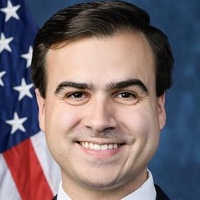
Pablo José Hernández Rivera
Representative
PR
The Puerto Rico Postal Equity Act of 2025 mandates the U.S. Postal Service (USPS) to rapidly improve address accuracy in Puerto Rico by updating its systems to properly recognize local conventions, including diacritical marks. This action aims to resolve persistent mail delivery failures and ensure equitable access to federal services. The Postmaster General must consult with local entities and report annually to Congress on the progress made.
Postal Service Mandated to Fix Puerto Rico Address Errors, Including Support for Spanish Diacritical Marks
The Puerto Rico Postal Equity Act of 2025 is a focused piece of legislation aimed at fixing persistent, real-world problems with mail delivery and data accuracy for residents of Puerto Rico. Essentially, the bill tells the Postmaster General to update the United States Postal Service (USPS) systems within 180 days to properly recognize addresses on the island, which is long overdue.
Why Your Mail Gets Lost: The Diacritical Mark Dilemma
For years, the mismatch between how addresses are written locally in Puerto Rico and how the USPS and federal databases recognize them has caused headaches. The bill points out that historical and structural complexities lead to recurring delivery failures, which affects everything from getting your Amazon package to receiving critical federal documents. One major fix mandated by Section 3 is requiring USPS systems to support diacritical marks—those accents, tildes, and other orthographic signs used in Spanish-language place names and proper nouns, like the tilde in Muñoz. If a system can’t recognize the correct spelling of a street or a person’s name, it can’t deliver the mail accurately, leading to data mismatches that can affect everything from voter registration to receiving FEMA aid after a storm.
The Fix: Data, Consultation, and Deadlines
To tackle this, the Postmaster General must use existing USPS operational data to pinpoint specific locations with persistent delivery failures and then update the address records and validation tables for those areas. This isn’t just a technical update; it’s a required collaboration. Section 3 directs the Postmaster General to consult with the Bureau of the Census (including the Census Open Innovation Lab) and the Puerto Rico Planning Board, along with local governments, to gather the necessary information. This means the people who actually know the local addressing conventions will finally be brought into the process to fix the federal systems.
The Cost and The Catch
While this bill is a clear win for equity and efficiency, there’s a practical consideration for the USPS. Section 4 explicitly states that no new funding is authorized for this Act. The Postmaster General must implement the system overhaul, conduct the consultations, and perform the necessary technical updates using money already appropriated or available to the USPS. For an agency already facing budget constraints, this mandated, unfunded overhaul could strain resources, even if the long-term goal is improved operational efficiency.
Tracking the Progress
To ensure this isn't just a promise, the bill includes strong reporting requirements. The Postmaster General must submit an initial report to Congress within one year, and then annually for the next three years, detailing the actions taken, the progress made in improving address recognition, and any barriers encountered. This means that Congress—and the public—will have a four-year window to track whether the USPS actually fixes this systemic problem, ensuring accountability for the mandated improvements.