This bill establishes new accountability and oversight requirements, including risk management plans and independent peer reviews, for federally funded transportation projects costing $\$2.5$ billion or more.
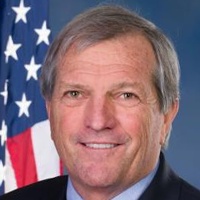
Mark DeSaulnier
Representative
CA-10
The Transportation Megaprojects Accountability and Oversight Act establishes new requirements for federally funded transportation projects costing \$2.5 billion or more, defined as "megaprojects." This legislation mandates comprehensive risk management plans, the establishment of independent peer review groups, and increased public transparency for these major infrastructure initiatives. The bill also directs the creation of a committee to study best practices and recommend improvements to federal oversight of megaprojects.
New Bill Demands Risk Plans, Expert Review for All $2.5 Billion Transportation Megaprojects
The new Transportation Megaprojects Accountability and Oversight Act is a straightforward attempt to stop massive infrastructure projects from becoming a punchline for cost overruns and delays. Simply put, this bill targets any federally funded transportation project with an estimated total cost of $2.5 billion or more, labeling them "megaprojects" and subjecting them to serious new layers of scrutiny before they can even break ground. The core purpose is to force recipients—usually state or local agencies—to plan better, manage risk actively, and open their books to independent experts.
The $2.5 Billion Threshold and the Fine Print
For any project hitting that $2.5 billion mark, the bill amends existing federal transportation law (Section 106 of Title 23) to require two major things. First, the recipient must submit a comprehensive risk management plan outlining how they will identify, quantify, and control risks that could lead to cost overruns, delays, or reduced quality. This isn't just a paper exercise; the plan must include assurances that the recipient will maintain financial reserves to address both known and unknown risks. This reserve requirement is a big deal, as it forces agencies to keep cash on hand, which could strain the budgets of state transportation departments used to spending every penny allocated.
Second, the recipient must establish a Peer Review Group of at least five independent experts within 90 days of project authorization. These groups, whose members cannot have a financial interest in the project, will review the project’s scope, schedule, and budget annually, and after any significant change. Think of them as a highly paid, professional second set of eyes, specifically tasked with making sure the project doesn't spiral out of control. Their reports go straight to the Secretary of Transportation and Congress, ensuring accountability.
Transparency: What the Public Gets to See
This bill significantly ramps up transparency, which is great news for taxpayers. Project recipients must publicly publish two key pieces of information on their websites. They have to disclose the name and license information for every engineer supervising a part of the megaproject. More importantly, they must publish the full reports from the independent Peer Review Group within 90 days of receiving them. If the experts flag a serious issue—say, a flawed design or an unrealistic timeline—the public will know about it quickly, rather than finding out years later when the project is billions over budget.
Lessons from Abroad and the Future of Oversight
Beyond immediate project oversight, the bill commissions a major study. The Secretary of Transportation must arrange for the Transportation Research Board of the National Academies to convene a committee to study megaprojects. This committee will review existing data, look at how countries like the United Kingdom and France handle their massive infrastructure projects, and identify recurring problems. Within three years, they must submit recommendations for improving federal and state approaches to megaproject funding and oversight. This ensures that the lessons learned from current projects will inform future policy, creating a continuous improvement loop.
While the bill is fundamentally about fiscal responsibility and quality control, it does grant the Secretary of Transportation the power to designate any project as a "megaproject," even if it costs less than $2.5 billion. This discretionary power could be used to apply these strict oversight rules to smaller, politically sensitive projects. For the state and local agencies managing these huge construction efforts—the ones building the new bridges and rail lines—this means a lot more compliance paperwork and the immediate burden of setting aside those financial reserves. But ultimately, for the rest of us, this bill is designed to minimize the painful surprise of a publicly funded project that costs twice as much and takes three times as long as promised.