This act reauthorizes and increases funding for the Brownfields revitalization program and state response grants through fiscal year 2030.
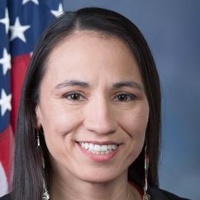
Sharice Davids
Representative
KS-3
The Brownfields Reauthorization Act of 2025 significantly boosts funding for cleaning up contaminated sites by increasing the maximum grant amount per site to $1 million and authorizing $250 million annually through 2030. This legislation also expands the eligible uses for state response program grants. Overall, it strengthens federal and state efforts to revitalize brownfield properties.
Brownfields Bill Doubles Cleanup Grants to $1 Million, Boosting Urban Renewal Funding Through 2030
The Brownfields Reauthorization Act of 2025 is essentially a funding injection and policy expansion for cleaning up contaminated industrial sites, commonly known as brownfields. The bill takes the existing program, which helps turn abandoned, polluted properties into usable land, and significantly increases the financial resources available.
Specifically, the legislation raises the maximum grant amount for cleaning up a single brownfield site from $500,000 to a much more practical $1,000,000. It also ramps up the total authorized funding for the overall revitalization program, increasing it from $200 million to $250 million annually for fiscal years 2026 through 2030. This means more money is available both per site and across the country.
Bigger Checks for Bigger Problems
Doubling the maximum grant per site is a big deal for communities trying to tackle serious contamination. Think about a former gas station or small manufacturing plant in a quiet neighborhood. Half a million dollars might cover the cleanup of a small, relatively simple site. But when you’re dealing with a larger, more complex industrial plot—the kind that could be turned into affordable housing or a new commercial center—$500,000 often barely scratches the surface. Raising the limit to $1 million (Section 2) acknowledges the real cost of remediation in the modern era, potentially unlocking the cleanup of sites previously deemed too expensive to touch.
For local governments and developers, this change could be the difference between a stalled project and a shovel-ready site. For residents, it means turning that eyesore of a derelict factory into something productive, faster.
More Flexibility for State Agencies
The bill also updates how state environmental agencies can use federal funding. Currently, states receive grants to help manage their own brownfields response programs. The new law expands the list of eligible activities, allowing states to use these grants not just for implementing their programs, but also for developing and enhancing them (Section 3).
What does this mean on the ground? A state agency might now use the money to invest in better mapping software to identify contaminated sites sooner, or to train local staff on new cleanup technologies. This flexibility is crucial because it allows states to address the specific environmental challenges and regulatory hurdles unique to their region, rather than being restricted to a narrow list of approved uses. Furthermore, the bill extends the funding authorization for these state grants through fiscal year 2030, giving state environmental departments much-needed long-term budget certainty.
The Cost of Renewal
While this bill is a clear win for environmental cleanup and community redevelopment, it’s important to note the increased price tag. The overall authorization level goes up by $50 million annually, totaling $250 million per year. While this is an authorization—meaning Congress still has to appropriate the money—it signifies a higher potential cost to taxpayers to fund this necessary environmental work. However, the goal is that these investments will ultimately lead to economic benefits, increased property values, and improved public health in the communities where cleanup occurs.