The CARE Act of 2025 restricts refugee resettlement to locations where state and local governments have not formally disapproved of such entry.
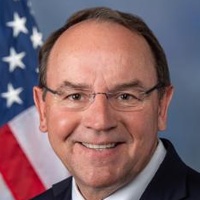
Thomas Tiffany
Representative
WI-7
The CARE Act of 2025 amends federal law to prohibit refugee resettlement in any state or locality that formally disapproves of such resettlement through action by its governor, legislature, or local governing body. This measure grants state and local entities the authority to veto refugee placements within their jurisdictions.
CARE Act Gives States and Cities Veto Power Over Refugee Resettlement: What It Means for Federal Immigration
The proposed Community Assent for Refugee Entry Act of 2025, or the CARE Act, is short, but it packs a punch by fundamentally changing how refugee resettlement works in the U.S. Right now, decisions about where refugees are placed are primarily handled by the federal government under the Immigration and Nationality Act. This bill, however, hands a massive new power to state and local authorities. Specifically, Section 2 amends existing law to prohibit refugee resettlement in any state or locality if the Governor, state legislature, local chief executive, or local legislature formally votes to disapprove it.
Who Gets the Final Say?
This is the core of the bill: it creates a local veto over a federal program. Under the CARE Act, if the Mayor of your town, the City Council, the Governor, or the State Legislature decides they don’t want refugees resettled within their borders, that decision overrides the federal government’s authority. This is a significant shift in power, moving the final say on refugee placement from Washington, D.C., to city halls and state capitols across the country. The bill is clear that this limitation applies “regardless of any other provision” in the existing federal refugee resettlement law, essentially making the local veto a hard stop.
What Does This Mean for the Program?
For the federal agencies and non-profits that coordinate refugee resettlement—the groups that find housing, jobs, and schools for families fleeing persecution—this bill creates immediate chaos. Instead of working with a predictable national framework, they would constantly have to monitor the political climate in thousands of localities. Imagine a family fleeing war being approved for entry, only to have their placement plans suddenly canceled because a county board decided to pass a resolution against resettlement. This makes the entire process unstable and unpredictable for the most vulnerable people seeking safety.
The Impact on Everyday Life
While the bill focuses on immigration policy, the real-world impact touches on community development and local economics. Refugee resettlement often happens in areas that need population growth or revitalization; these families start businesses, fill labor shortages, and contribute to the tax base. If this bill passes, it means that local political disagreements—perhaps driven by short-term political cycles rather than long-term planning—could shut down these opportunities. For example, a town with a labor shortage might be prevented from receiving new workers simply because the local legislature passed a quick, formal disapproval action. This shifts authority away from those focused on economic needs and towards those focused purely on political messaging.
The Challenge of “Formal Action”
The bill relies on “formal action” by executive or legislative bodies to disapprove resettlement. While this sounds official, it’s vague enough to raise concerns. Does “formal action” mean a full law, a simple resolution, or a statement from a Governor? This ambiguity could lead to legal battles and inconsistent application across states. Furthermore, because the bill doesn’t set criteria for disapproval, states and localities could potentially use this power based on political or even discriminatory reasons, rather than objective capacity or resource constraints. The net effect is that refugee placement could become a political football, making it harder for people seeking refuge to find a consistent path to safety and stability in the U.S.