The FENCES Act amends the Clean Air Act to prevent nonattainment designations and waive sanctions for areas whose air quality standards are impacted by pollution originating outside the United States or beyond the state's control.
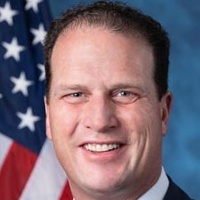
August Pfluger
Representative
TX-11
The FENCES Act amends the Clean Air Act to prevent areas within a state from being designated as nonattainment areas due to pollution originating outside the United States or beyond the state's control. It also waives certain federal sanctions and fees for states that demonstrate air quality failures are caused by uncontrollable external emissions or exceptional events. This legislation ensures states are not penalized for pollution they cannot regulate, while still requiring them to maintain plans to meet air quality standards.
| Party | Total Votes | Yes | No | Did Not Vote |
|---|---|---|---|---|
Democrat | 213 | 6 | 207 | 0 |
Republican | 218 | 214 | 1 | 3 |
FENCES Act: New Bill Could Reshape How States Tackle Air Pollution, Waiving Penalties for 'Uncontrollable' Emissions
Alright, let's talk air quality. We've all seen those hazy days, maybe even felt it in our lungs. The new FENCES Act, or the Foreign Emissions and Nonattainment Clarification for Economic Stability Act, is looking to shake up how states deal with air pollution, especially when that pollution isn't exactly homegrown.
The 'Not My Fault' Clause for Air Pollution
So, what's this bill actually doing? Essentially, it's giving states a bit of a break when air pollution problems come from beyond their borders or control. Imagine your neighbor's barbecue smoke drifting into your yard – you can complain, but you can't exactly stop them, right? This bill, specifically in Section 179B of the Clean Air Act, clarifies that if pollution is 'emanating from outside of the United States,' it’s a factor.
Here’s the kicker: if a state can prove to the Environmental Protection Agency (EPA) that an area would actually meet air quality standards if it weren't for pollution blowing in from another country, that area can’t be slapped with a “nonattainment area” designation. That’s a big deal because those designations come with a lot of regulatory headaches and pressure to clean up.
Waivers and What They Mean for Your Wallet and Lungs
Now, let's get into the nitty-gritty of how this might play out. The FENCES Act adds a new Section 179C that could waive some serious penalties for states. If your state is struggling with severe ozone or particulate matter levels, and they can show that the problem is due to pollution from outside their nonattainment area, an “exceptional event” (think wildfires or dust storms), or emissions from mobile sources (like cars and trucks) that are 'beyond the state's authority to reduce,' then certain sanctions and fees get waived. This is provided the state is already doing everything it can to control those emissions within its power.
This could mean relief for state budgets that might otherwise be hit with fines. For a small business owner, this might sound like good news if it means less regulatory burden trickling down. However, it’s important to note that while the penalties might be waived, the bill is clear that states still have an 'obligation to develop and implement plans to meet air quality standards.' So, the cleanup effort is still on the books, even if the financial hammer isn't falling as hard. States will also have to renew their eligibility for these waivers every five years, so it's not a one-and-done deal.
The Catch: Who Benefits and Who Pays?
Here's where it gets a bit nuanced. While states get some breathing room from penalties, the actual air quality in affected areas might not improve as quickly. If pollution from outside the state or country is still a major factor, people living in those areas could continue to experience poor air quality, even if their state isn't getting fined. Think about folks with asthma or other respiratory issues – their daily lives might not see an immediate positive change from this waiver.
There's also the question of how 'beyond the state's authority to reduce' will be defined. That's a pretty broad phrase, and it leaves a lot of room for interpretation. Could it allow some industries to argue their emissions are effectively 'uncontrollable' if they can point to other sources? This could lead to some interesting debates and potentially reduce the pressure on certain sectors to innovate cleaner solutions. It’s about ensuring that we’re not just shifting blame, but still actively working towards cleaner air for everyone. After all, we all breathe the same air, no matter where it comes from.