This act establishes the Rural Communities Opioid Response Program to fund prevention, treatment, and recovery services for substance use disorders in rural areas.
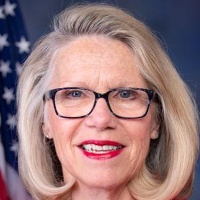
Carol Miller
Representative
WV-1
The RCORP Authorization Act establishes the Rural Communities Opioid Response Program within HRSA to combat substance use disorders in rural areas. This program authorizes grants to eligible entities for expanding prevention, treatment, and recovery services. The legislation allocates $165 million annually from fiscal years 2026 through 2030 to support these critical community efforts.
Rural Opioid Response Act Authorizes $165M Annually for SUD Treatment and Prevention in Rural Areas
The RCORP Authorization Act establishes the Rural Communities Opioid Response Program (RCORP) within the Health Resources and Services Administration (HRSA). Simply put, this bill is about funneling serious money—specifically $165 million authorized for each year from Fiscal Year 2026 through 2030—directly into the fight against substance use disorders (SUDs) and related mental health issues in rural America.
The Money Trail: Funding Treatment Where It’s Needed Most
This isn’t just a symbolic gesture; it’s a commitment to funding the infrastructure needed to tackle the opioid crisis and other SUDs far away from major metropolitan areas. RCORP is designed to award grants and cooperative agreements to eligible groups, which include states, tribal organizations, and state offices of rural health. The goal is clear: establish and expand prevention, treatment, and recovery services. For someone living in a small town where the nearest clinic is an hour away, this funding could mean the difference between getting help locally or having to drive hours just to access basic care.
What the Grants Will Actually Pay For
The bill specifies that grant money can be used for a few key areas. First, it covers planning activities to build better networks and coordinate care—think local hospitals talking to non-profits and county health departments to create a unified system. Second, it funds the implementation of evidence-based delivery models for direct services, which means getting proven programs for prevention and treatment off the ground. It also allows for responding to new and emerging public health issues related to SUDs. However, there’s a critical restriction: funds cannot be used for the acquisition or improvement of real property. This means the money is intended for services, staff, and programs, not for building new clinics, which keeps the focus squarely on immediate care delivery.
Community Buy-In Is Required
One provision that stands out is the requirement that grant applicants must describe how the local rural population will be involved in developing and operating the activities. This is a smart move. It means the people who actually live in the community—the farmers, the teachers, the local business owners—get a say in how these crucial services are structured. Programs designed by the community are far more likely to be used and succeed than those dictated solely from a distant federal office. This ensures the services are culturally relevant and meet the specific needs of the area, whether that’s mobile treatment units or job training for those in recovery.
The Fine Print: Where Discretion Comes In
While the core purpose is well-defined, the bill does include a catch-all provision allowing funds to be used for “Other activities the Secretary determines are appropriate to carry out the program.” This is fairly standard language in federal programs, but it does give the Secretary significant leeway. While the immediate intent is clearly focused on SUDs, this broad authority means that the precise scope of funded activities could shift over time based on administrative priorities. For now, however, the clear focus remains on getting prevention and treatment resources flowing to underserved rural areas over the next five years.