This Act expands the definition of homelessness, mandates public reporting of data, and modifies program requirements under the McKinney-Vento Homeless Assistance Act to better serve homeless children and youth.
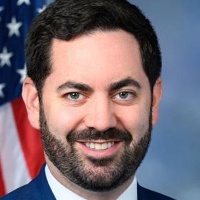
Michael Lawler
Representative
NY-17
The Homeless Children and Youth Act of 2025 significantly amends the McKinney-Vento Homeless Assistance Act to broaden the definition of homelessness, particularly for children and youth. It mandates increased public reporting of homelessness data through required HMIS disclosures by HUD. Furthermore, the bill modifies grant scoring criteria and planning requirements to better ensure services reach vulnerable populations and align with local needs.
Homeless Youth Act Expands Definition, Mandates Public Data on Homelessness, and Changes Grant Rules
The Homeless Children and Youth Act of 2025 aims to overhaul how the federal government defines, counts, and serves the most vulnerable young people and families experiencing housing instability. At its core, this bill updates the McKinney-Vento Homeless Assistance Act, which is the backbone of federal support for these programs, by broadening who qualifies as homeless and shaking up the rules for the organizations that receive federal funding to help them.
The Fine Print: Who Counts as Homeless Now?
If you’ve ever had to crash on someone’s couch because rent got too high or you lost a job, you know how quickly “temporary” can turn into months. This bill acknowledges that reality by expanding the definition of “homeless” for people who are "sharing the housing of other persons"—often called doubled-up—from 14 days to 30 days. This means families or individuals who are staying with friends or relatives for up to a month due to economic hardship can now be officially counted and be eligible for assistance, which is a major shift (Sec. 103).
Crucially, the bill also makes it easier for youth to get help. It defines a “child or youth defined as homeless under any other Federal program” as automatically eligible for McKinney-Vento programs. This means if a young person is already verified as homeless under, say, the Runaway and Homeless Youth Act or the Head Start Act, they don't have to jump through new hoops for HUD programs. It also explicitly includes youth up to age 24 who can't live safely with family and have no safe alternative living arrangement, recognizing that homelessness for young adults doesn't just end the day they turn 18.
Data Transparency: What Gets Counted
One of the biggest changes involves data. The bill mandates that HUD (Housing and Urban Development) must publish community-wide data from the Homeless Management Information System (HMIS) on its website annually (Sec. 409). This isn't just a simple count; it requires detailed breakdowns, including a count of homeless women by age, disability, and how long they’ve been homeless. For the average person, this means that the public will finally get a much clearer, more granular picture of who is homeless in their community and what assistance patterns are emerging. This transparency is key for accountability and effective local planning.
The Grant Game: Incentives and Requirements
For the organizations that actually run the shelters and housing programs—the Continuums of Care (CoCs)—the rules are changing significantly. Grant applicants must now “demonstrate local, needs-based” plans instead of just creating them. More importantly, the bill stops HUD from using grant scoring to prioritize one specific subpopulation or housing model over another unless that prioritization is specifically “justified by local data” (Sec. 422(j)). This is a big deal: it shifts the power back to local communities to decide what works best for their unique homeless populations, rather than following a national priority set in Washington.
Finally, the bill adds mandatory requirements for grantees serving families and youth. Programs must now designate a staff member specifically responsible for ensuring children and youth are enrolled in school, connected to services like Head Start, and—for unaccompanied youth—informed of their status as an independent student for financial aid purposes. This ensures that federal housing assistance isn't just a roof, but a direct pathway to education and stability, addressing the reality that a homeless student faces unique barriers to staying in school.