This bill establishes a grant program, managed by the National Academy of Sciences, to fund research and development focused on ensuring safe and ethical artificial intelligence models.
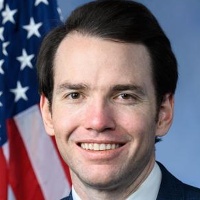
Kevin Kiley
Representative
CA-3
This Act establishes the "SAFE AI Research Grants" program, managed by the National Academy of Sciences, to fund research focused on developing safe and ethical artificial intelligence models. The program aims to mitigate the unknown risks associated with AI development by encouraging secure and reliable advancements aligned with human values. Before implementation, guiding principles will be developed through consultation with key stakeholders.
New Federal Grant Program Targets AI Safety Research, Mandates Public Input on Ethical Guidelines
If you’ve been following the news, you know that Artificial Intelligence (AI) is moving fast—maybe too fast for comfort. That’s where the “Ensuring Safe and Ethical AI Development Through SAFE AI Research Grants” Act comes in. This legislation establishes a new federal grant program, managed by the Director of the National Academy of Sciences, specifically designed to fund research into making AI models safer, more reliable, and aligned with human values. The core idea is to get ahead of the “unknown risks” that come with rapid AI development by funding the people who can figure out how to mitigate them.
The Safety Mandate: What the Bill Actually Funds
This isn't just a general science grant. The bill is laser-focused on AI safety and risk mitigation research (Sec. 2). Before the National Academy of Sciences can hand out a single dollar, the Director must first create a set of public guiding principles and ethical considerations. To do this, they have to consult widely with industry leaders, government experts, academics, and high-tech stakeholders—and crucially, they must use a public comment process. Think of it as a mandatory, public brainstorming session to define what “safe and ethical AI” actually means before the government starts writing checks.
The One-Year Plan: Congressional Homework
The Director doesn't just get to launch the program immediately. Within one year of the bill becoming law, they have to submit a detailed proposal to Congress—specifically to the House Science Committee and the Senate Commerce Committee. This proposal is essentially the blueprint for the entire operation. It must include a full budget request, an analysis of how existing AI models handle safety, a clear identification of the “safe AI areas needing more research,” and a plan for how they will evaluate whether grant recipients actually deliver on their promises (Sec. 2). This mandated transparency and planning is a big deal; it forces the federal agency to show its work and get specific about its goals before the funding floodgates open.
Why This Matters for Your Daily Life
While this bill sounds like high-level academic policy, it hits closer to home than you might think. We interact with AI every day—from the algorithms that approve your loan to the software that drives your delivery truck. If these systems aren't safe, reliable, or ethical, the real-world costs multiply quickly. By funding safety research now, this bill aims to prevent future scenarios where, say, a faulty AI decision costs you your job or leads to a major infrastructure failure. For the average person, this is an investment in the stability and fairness of the automated systems that are increasingly running the world around us. It’s the government saying, “Let’s build the guardrails before the car goes off the cliff.” The biggest potential challenge here is making sure that the final “guiding principles” developed through the consultation process are truly broad and don't just favor the interests of the big tech companies that are already driving AI development.