This act revises the Clean Air Act's policy review process by clarifying comment submission and narrowing the scope of reviewed items.
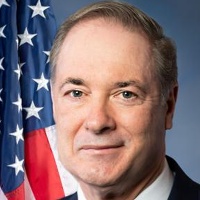
John Joyce
Representative
PA-13
The RED Tape Act aims to streamline the environmental policy review process under the Clean Air Act. This legislation updates Section 309 by clarifying the scope of written comments and designating the Administrator as the recipient. The bill also removes references to specific federal actions and proposed regulations from the review requirements.
| Party | Total Votes | Yes | No | Did Not Vote |
|---|---|---|---|---|
Democrat | 213 | 7 | 204 | 2 |
Republican | 218 | 215 | 1 | 2 |
RED Tape Act: Environmental Review Changes Could Scale Back Public Oversight
Alright, let's talk about something that sounds pretty dry but could actually shift how environmental decisions get made around here: the RED Tape Act. Officially, that stands for the Reducing and Eliminating Duplicative Environmental Regulations Act. This bill is looking to tweak Section 309 of the Clean Air Act, which is basically the rulebook for how environmental policies get reviewed.
Tweaking the Comment Box
First up, the bill clarifies who gets the actual comments when you submit feedback on environmental policies. It's the Administrator, plain and simple. And they're also expanding what counts as a 'written comment' to include anything submitted 'in writing.' Sounds like a small detail, but it means more ways for your voice to technically be heard, which is a good thing if you're trying to weigh in on a new policy affecting your neighborhood or your business.
What's Out of Scope Now?
Here’s where it gets a bit more interesting, and maybe a little concerning. The RED Tape Act removes a few big items from the environmental review process. We're talking about taking out references to newly authorized Federal construction projects, major Federal agency actions that fall under the National Environmental Policy Act (NEPA), and proposed regulations from federal departments. Think about it: NEPA actions are often the big ones, like new highways, pipelines, or large-scale developments that can have a significant environmental footprint. If those are no longer explicitly part of this review process, it could mean less scrutiny on projects that directly impact local communities, air quality, or natural resources.
The 'Action' and 'Regulation' Question
Then there’s this line in subsection (b) that removes the terms “action” and “regulation” from the scope of review altogether. This is a bit vague, but it could be a pretty big deal. If 'actions' and 'regulations' aren't part of the review scope, it raises questions about what exactly is being reviewed. For someone running a small business that relies on clear environmental guidelines, or a family living near a potential new development, this could mean less transparency and fewer opportunities to understand or influence decisions that affect their daily lives and surroundings. It might streamline things for government agencies and some industries, but it could also mean a quieter process for environmental oversight.
Essentially, while some parts of this bill aim to clarify administrative procedures, other parts seem to be narrowing the lens through which we examine federal environmental impacts. It's like having a clearer path to submit your feedback, but the list of topics you can give feedback on just got shorter, especially for some of the bigger, more impactful federal undertakings.