This bill redesignates the Chiricahua National Monument as the Chiricahua National Park while mandating the protection of and tribal access to traditional cultural and religious sites within the park.
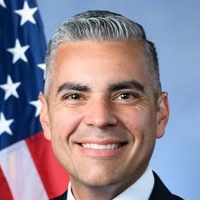
Juan Ciscomani
Representative
AZ-6
The Chiricahua National Park Act redesignates the existing Chiricahua National Monument in Arizona as Chiricahua National Park. This legislation ensures the continued administration of the site under National Park Service standards while mandating the protection of and tribal access to traditional cultural and religious sites within the park's boundaries.
Chiricahua National Monument to Become Arizona's Newest National Park: Enhanced Tribal Protections and Funding Eligibility Set to Begin.
The Chiricahua National Park Act officially upgrades the existing Chiricahua National Monument in Arizona to a full-fledged National Park. While the physical boundaries remain the same as the 1924 monument designation—specifically following the March 2021 'Proposed Boundary' map 145/156,356—this shift is more than just a name change. Under Section 2, the bill ensures that all existing funding and administrative records for the monument automatically transfer to the new park status, placing it under the same legal protections and management standards as heavyweights like the Grand Canyon. For a local business owner in nearby Willcox or a traveler planning a road trip, this means the site is now eligible for a broader pool of federal resources and will likely see an increase in visibility on the national stage.
More Than a Name Change
This transition from a monument to a park changes how the Department of the Interior handles the site's long-term management. By moving the site under Title 54 of the U.S. Code, the bill locks in specific conservation and public use requirements that apply to the National Park System. For the visitor, this usually translates to better-maintained trails and more robust visitor services over time. For the taxpayer, it’s a streamlined administrative move; Section 2(b) ensures that every map, regulation, and dollar already allocated to the 'monument' is legally recognized as belonging to the 'park,' preventing a bureaucratic nightmare of re-filing paperwork or losing budget line items during the transition.
Sacred Spaces and Public Access
One of the most significant parts of this bill is Section 3, which formalizes the relationship between the park and local Indian Tribes. The Secretary of the Interior is now legally required to protect traditional cultural and religious sites within the park boundaries. This isn't just a suggestion; the bill mandates consultation with tribes to ensure these areas are respected. For tribal members, this means guaranteed access for traditional and customary uses. For the general public, it means you might occasionally see a 'closed' sign on a specific trail or grove. Under Section 3(b), a tribe can request a temporary closure of a specific area to protect the privacy of cultural or religious activities.
Balancing the Gates
If you’re worried about showing up for a hike only to find the park locked, the bill includes a 'smallest practical' rule to keep things fair. Section 3(c) explicitly states that any temporary closures must be limited to the smallest area and the shortest timeframe necessary for the activity. This creates a functional compromise: it respects the deep historical and spiritual ties indigenous communities have to the land while ensuring that the public still has access to the vast majority of the park’s 'Wonderland of Rocks.' It’s a move toward more inclusive land management that recognizes the park isn't just a playground, but a site of ongoing cultural significance.