This bill repeals the Human Rights Sanctuary Amendment Act of 2022, restoring previous laws.
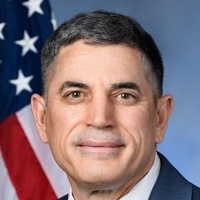
Andrew Clyde
Representative
GA-9
This bill, the D.C. Shield Law Repeal Act, seeks to repeal the Human Rights Sanctuary Amendment Act of 2022. By doing so, it will restore the laws and regulations that were in effect prior to the 2022 Act.
Proposed Act Seeks to Completely Nullify D.C.’s 2022 Human Rights Sanctuary Law, Restoring Pre-2022 Rules
The "D.C. Shield Law Repeal Act" is short, but its impact would be massive: it completely wipes out the Human Rights Sanctuary Amendment Act of 2022. Essentially, this bill is a legislative rewind button for local law. If passed, it doesn't just tweak the 2022 Act; it erases it, immediately restoring every single law and regulation that the 2022 Act changed or eliminated, as if the protections never existed (SEC. 2).
Hitting the Rewind Button on Human Rights
To understand what this repeal means, you have to remember what the 2022 Act likely did. The title, "Human Rights Sanctuary Amendment Act," strongly suggests it established new safeguards or expanded existing protections for vulnerable groups in D.C. Think about things like non-discrimination rules, access to services, or specific protections for marginalized communities. This new bill doesn't replace those protections with something else; it just pulls the rug out from under them.
For the average person who benefited from the 2022 Act—say, a resident who gained new access to a specific service or protection against discrimination—this repeal means those hard-won changes vanish overnight. The legal landscape snaps back to the way it was before 2022, potentially removing modern safeguards that were put in place to address current issues. This is a big deal because it’s not just policy shifting; it’s the immediate removal of established rights without any debate on whether those rights are still necessary today.
Who Benefits and Who Pays the Cost?
The beneficiaries of this repeal are primarily the groups or entities that opposed the Human Rights Sanctuary Amendment Act of 2022 in the first place. If the 2022 Act placed new requirements or restrictions on certain businesses, organizations, or government offices in the name of human rights, those entities would be freed from those obligations. For example, if the 2022 Act mandated new accessibility standards or required specific accommodations, those requirements would be gone.
The cost, however, is borne by the individuals and groups who relied on the 2022 protections. If the previous Act provided a new mechanism for reporting abuse or guaranteed housing access for a specific population, those mechanisms and guarantees disappear. This isn't theoretical; it’s a direct rollback of legal protections that people may have already integrated into their lives. The core concern here is that the bill’s entire function is to remove protections, indicating a high-stakes legislative battle over foundational rights within the District.