This act requires federally funded health centers to install baby changing tables in public restrooms, with certain exceptions and funding provisions.
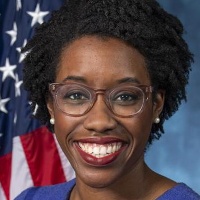
Lauren Underwood
Representative
IL-14
This act requires federally funded health centers to install baby changing tables in their public restrooms as a condition of receiving a grant. These tables must be safe and sanitary, with exceptions for restrooms not open to the public or where clear signage directs patrons to an accessible alternative on the same floor. The law authorizes specific funding to help centers cover installation costs, with a five-year phase-in period for existing facilities.
Federal Health Centers Must Install Baby Changing Tables in Public Restrooms, Backed by $5M Fund
The “Baby Changing in Health Centers Act” is exactly what it sounds like: a requirement that health centers receiving federal grants install baby changing tables in their public restrooms. This isn’t just a suggestion; it’s a condition for getting that federal money, aiming to make health facilities more family-friendly and accessible.
The New Standard for Family Visits
This bill amends Section 330 of the Public Health Service Act, making proper baby changing facilities a mandatory part of the deal for federally funded health centers. The requirement is specific: the tables must be physically safe, sanitary, and designed to support a child up to 30 pounds. Think of it as standardizing a basic necessity for any parent or caregiver visiting a clinic, whether for their own appointment or bringing a child in for a check-up. For a busy parent trying to manage an infant and a toddler while waiting for a doctor, this small detail makes a huge difference in convenience and hygiene.
Five Years to Compliance (Unless You’re Renovating)
The implementation schedule is split into two tracks. If a health center facility is acquired, constructed, or substantially renovated after this law is enacted, they have to install the tables immediately. However, existing facilities get a five-year grace period to comply. This phased approach acknowledges that ripping up walls and installing new equipment takes time and money, especially for older buildings. To help offset these costs, the bill authorizes an additional $5 million in appropriations specifically to assist health centers with purchasing and installing the tables and necessary signage.
Where the Rules Get Flexible
While the goal is universal access, the bill includes some practical exceptions. A health center doesn't need a table in every single restroom if they post clear signs directing people to another restroom on the same floor that does have one. For example, a sign in a men’s room could point to another men’s or a gender-neutral restroom with a table. This flexibility is smart, ensuring that centers can meet the need without unnecessary duplication.
However, there’s a key loophole: the requirement doesn’t apply if new construction is needed for installation and the cost is deemed “unfeasible.” This is where things get a little vague. The bill doesn't define “unfeasible,” leaving it open to interpretation by the health centers themselves. While this protects centers with genuinely difficult structural limitations—say, a historic building—it also means that some facilities might claim unfeasible costs to avoid the upgrade, potentially leaving parents without a clean place to change a diaper.
The Real-World Impact
For the millions of families who rely on federally funded health centers, this is a clear win for accessibility. It recognizes that parents, including fathers, need safe and sanitary places to change their children’s diapers in public spaces. It also provides a dedicated funding stream to help centers make the change, reducing the chances that this becomes a completely unfunded mandate that strains their operating budgets. The $5 million authorization shows an intent to support the centers in complying, which is crucial for successful implementation. Ultimately, this legislation aims to remove a common, frustrating barrier for young families accessing essential health services.