This bill prohibits the use of AI-driven prior authorization models, like the WISeR Model, for services covered under traditional Medicare Parts A and B.
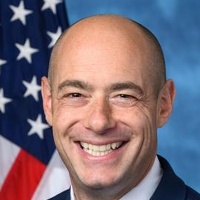
Greg Landsman
Representative
OH-1
This Act, the "Ban AI Denials in Medicare Act," prohibits the Secretary of Health and Human Services from implementing the WISeR Model or any substantially similar model that uses prior authorization under traditional Medicare. Furthermore, it amends the authority of the Center for Medicare and Medicaid Innovation to prevent the testing of any new model that requires prior authorization for services covered under Medicare Part A or Part B.
Medicare Bill Bans AI-Driven Prior Authorization Denials for Part A and B Services
This bill, officially called the "Ban AI Denials in Medicare Act," is a direct shot across the bow of automated healthcare administration. Simply put, it stops the use of prior authorization (PA) checks—especially those run by AI or algorithms—for services covered under traditional Medicare Part A (hospital) and Part B (medical insurance). Specifically, it immediately shuts down a proposed program called the Wasteful and Inappropriate Services Reduction (WISeR) Model and, more importantly, prevents the Center for Medicare and Medicaid Innovation (CMMI) from ever testing any future models that rely on prior authorization for core Medicare services.
The End of WISeR: No More Algorithm Guesswork
If you’re on Medicare, you know the drill: prior authorization means your doctor has to ask permission from the insurer before you can get a test, procedure, or drug. This bill targets the CMMI’s proposed WISeR Model, which was designed to use advanced technology (read: AI) to flag and deny services deemed "wasteful." The problem with these systems is that while they are great at spotting patterns, they can be terrible at understanding individual patient complexity. For a 68-year-old who needs a specific, timely diagnostic test, waiting for an algorithm to approve it can literally be the difference between a manageable condition and a crisis. By prohibiting the WISeR Model (Section 2), this bill ensures that automated denial systems don't get a foothold in traditional Medicare.
Protecting Access to Core Services
Beyond just killing one specific model, the bill makes a permanent change to the CMMI's authority. The CMMI is the government agency tasked with finding new ways to pay for and deliver healthcare, often through pilot programs. This legislation amends Section 1115A(b)(2) of the Social Security Act to permanently restrict CMMI from testing any model that imposes prior authorization for Part A or Part B services. This is a huge deal for anyone who relies on Medicare for basic hospital stays, doctor visits, and necessary medical equipment.
Think of it this way: for a physical therapist or a small clinic, PA requirements mean spending hours on the phone or filling out forms just to get paid for a service they know the patient needs. This administrative burden often leads to delays in treatment or, in some cases, doctors simply refusing to take on Medicare patients due to the hassle. By cutting off CMMI’s ability to implement these checks, the bill aims to reduce friction for providers and ensure patients get timely care.
The Trade-Off: Efficiency vs. Access
While this bill is a clear win for patients and providers worried about delays and denials, it does limit the government's ability to test certain cost-saving measures. The WISeR model, and others like it, were designed to reduce waste and inappropriate spending—which ultimately affects the taxpayer. By banning these models, the bill prioritizes immediate patient access over the potential for algorithmic efficiency gains. However, given the documented issues with automated denial systems causing inappropriate delays and denials, this trade-off seems to lean heavily in favor of patient safety and timely care, ensuring that algorithms don't become the final say in your healthcare decisions.