This bill grants posthumous U.S. citizenship to noncitizens who served honorably and died as a result of service in the U.S. military, specifically including those who enlisted in the Philippines between September 1, 1939, and December 31, 1946.
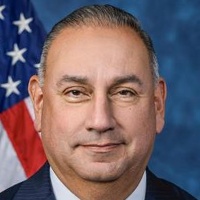
Gilbert Cisneros
Representative
CA-31
The Corporal Fernando Ruiz Baltazar Posthumous Citizenship Act of 2025 expands eligibility for posthumous U.S. citizenship. This bill specifically grants citizenship to noncitizens who served honorably in the U.S. military and died from service-related injuries or disease. It particularly focuses on those who enlisted in the Philippines between September 1, 1939, and December 31, 1946. The relevant military department will determine eligibility for these posthumous benefits.
Posthumous Citizenship Expanded: Honoring WWII Filipino Veterans Who Died in Service
The aptly named Corporal Fernando Ruiz Baltazar Posthumous Citizenship Act of 2025 is designed to address a historical oversight by expanding who qualifies for posthumous U.S. citizenship. Simply put, this bill amends the Immigration and Nationality Act to honor noncitizens who served honorably in the U.S. military during wartime and died as a result of service-related injuries or disease.
Expanding the Definition of Service
Existing law already allows for posthumous citizenship for deceased service members, but this bill carves out a specific new pathway focused on a group often overlooked: those who enlisted in the Philippines between September 1, 1939, and December 31, 1946. This period covers World War II and its immediate aftermath. If a service member enlisted during this window and died from a service-related injury or illness, their next-of-kin can now apply for posthumous citizenship, even if the service member didn’t meet all the standard naturalization requirements while alive (Section 2).
Think of it this way: for decades, certain noncitizens who fought and died for the U.S. during WWII were eligible for citizenship, but the rules didn’t fully account for the unique circumstances of those who joined up in the Philippines. This change recognizes their sacrifice by making them eligible for the same honor. The bill specifies that two sections of existing law that typically govern naturalization requirements will not apply to this specific group, streamlining the process to recognize their service.
How the Process Works
For the family members of these deceased veterans, the application process relies heavily on the military bureaucracy. The executive department of the military branch in which the service member served—say, the Army or Navy—is responsible for making the determination. They have to confirm that the individual met the service requirements, died as a result of that service, and enlisted in the Philippines during the specified period (Section 2).
Since these are historical cases, the application deadline is tied to the date this bill becomes law, rather than the date of the service member’s death, which makes sense for cases spanning 80 years. The application must include a certificate from the military department confirming the service member met all the criteria. This puts the onus on the military to verify decades-old records, which could present challenges given the age of the documentation, but ultimately ensures that the benefit goes to those who truly qualify. This bill is a clear, targeted measure aimed at providing formal recognition and dignity to the families of those who gave their lives in service.