This act establishes a hotline for small entities to report government actions, ensuring their burdens are considered while keeping regulatory benefits intact.
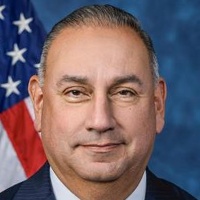
Gilbert Cisneros
Representative
CA-31
The Cut the Burden, Keep the Benefits Act establishes a dedicated hotline for small entities to report on burdensome government actions. Operated by the Small Business Administration's Chief Counsel for Advocacy, this system will collect information on rules, executive orders, and proclamations affecting small businesses, organizations, and governments. The Chief Counsel must then consider regulatory alternatives to minimize burdens and submit annual reports detailing the most frequently reported actions and their associated benefits and costs.
New SBA Hotline Mandated to Field Small Business Complaints on Federal Red Tape and Tariffs
This legislation, the “Cut the Burden, Keep the Benefits Act,” establishes a formal complaints department for small businesses, organizations, and local governments feeling the pinch of federal regulation. Within 180 days of enactment, the Small Business Administration’s (SBA) Chief Counsel for Advocacy must launch the “Cut the Burden, Keep the Benefits Hotline.” This isn’t just a suggestion box; it’s a dedicated channel—available via email, website form, or phone—for small entities to report any “government action” that’s making their lives harder, ranging from new rules and regulations to Executive Orders and Presidential Proclamations, including those related to tariffs (SEC. 2).
The Direct Line to D.C.: A Regulatory Complaint System
Think of this hotline as a new way for the little guys—the neighborhood bakery, the local plumbing contractor, or the small town council—to finally get Washington’s attention when a new federal rule threatens to bury them in paperwork or costs. If the Chief Counsel receives a complaint about a rule that is going to hit a substantial number of small entities hard, they are required to step in and consider regulatory alternatives. The goal is to find a way for the agency to still achieve its policy objective while minimizing the financial and administrative burden on small entities (SEC. 2).
For example, if the Environmental Protection Agency (EPA) issues a new emissions reporting rule that requires a small, family-owned trucking company to hire a full-time compliance consultant, that company can now file a complaint. The Chief Counsel would then review the rule and suggest modifications—perhaps a simplified reporting schedule or lower fees for companies under a certain size—that still meet the EPA’s goals without crushing the small business.
Annual Report Cards on Red Tape and Tariff Costs
The bill doesn't stop at just taking complaints; it demands accountability and transparency through detailed annual reporting. Every year, the Chief Counsel has to submit a report to Congress detailing which government actions are generating the most complaints and which industry sectors are most affected (SEC. 2). Crucially, for those burdensome rules, the report must include the rule’s regulatory benefits—the dollar amount or qualitative description of the good the rule is supposed to do. This forces a public comparison: is the benefit worth the burden?
This is particularly relevant for tariffs. The report must specifically track the number of complaints related to Executive Orders or Presidential Proclamations on tariffs, summarize the costs they impose on small entities (like fees and paperwork), and detail what the Chief Counsel did to try and fix the problem (SEC. 2). This means if a small manufacturer is suddenly paying 25% more for imported parts due to a tariff, Congress will get a formal, quantified report on that cost. This provision aims to shine a spotlight on the real-world costs of high-level policy decisions, giving busy lawmakers a clear, data-driven snapshot of regulatory pain points across the country.