The College Athletics Reform Act establishes Name, Image, and Likeness (NIL) rights for college athletes, regulates sports agents, creates a commission to study college sports governance, and expands financial disclosure requirements for institutions.
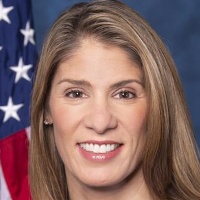
Lori Trahan
Representative
MA-3
The College Athletics Reform Act establishes comprehensive federal standards for college athletics, primarily by securing Name, Image, and Likeness (NIL) rights for college athletes and prohibiting restrictions on their ability to earn compensation or obtain professional representation. The bill also introduces new regulations for sports agents, mandates significant expansion of financial and participation data disclosure by institutions, and establishes a new Commission to study and recommend future governance structures for college sports. Finally, it amends broadcasting law to exempt certain large athletic association media agreements from antitrust scrutiny.
College Sports Overhaul: New Bill Guarantees Athlete NIL Rights, Caps Agent Fees, and Mandates Financial Transparency
The College Athletics Reform Act is a major federal intervention into college sports, primarily by codifying and protecting the right of college athletes to profit from their Name, Image, and Likeness (NIL). This bill explicitly prohibits athletic associations, conferences, or universities from restricting an athlete’s ability to receive compensation for their NIL or from taking adverse action against them for getting professional representation, like an agent or lawyer. Crucially, it sets up federal enforcement—meaning the FTC and state Attorneys General can step in to stop violations, and athletes themselves get a private right of action to sue the NCAA or their school if their rights are violated (SEC. 3).
The NIL Contract Fine Print
For the 25- to 45-year-old crowd juggling contracts and paperwork, this bill is laser-focused on protecting the athlete from bad deals. Any NIL agreement worth more than $600 must be in writing and include details like the services to be performed, the compensation amount, and, importantly, a provision allowing the athlete to terminate the contract immediately if they leave the institution. If these requirements aren’t met, the athlete can void the agreement. This is a huge protection, essentially giving the athlete a clear way out of a non-compliant contract (SEC. 3). For international athletes, the bill creates a new F visa category specifically for college athletes, clarifying that NIL activities won't violate their visa status—a major fix for a long-standing immigration headache.
Capping the Middleman and Cracking Down on Agents
If you’ve ever felt like your agent or broker was taking too big a cut, this section will resonate. The bill amends the Sports Agent Responsibility and Trust Act to impose new limits on agents working with college athletes. Specifically, an agent cannot charge a college athlete more than 4 percent of the compensation the athlete receives from an endorsement contract. Agents must also register with a state and certify that registration to the governing athletic association before representing an athlete. This is a clear move to prevent agents from exploiting young athletes with exorbitant fees (SEC. 4).
The Transparency Revolution: Following the Money
This is where the bill hits the administrative side of higher education hard. Starting in the 2026-2027 academic year, institutions must significantly expand the financial data they report publicly. They must break down revenues and expenses for every men’s and women’s sport individually, including new categories like student activities fees and alumni contributions. More importantly, they must report the total amount of revenues shared directly with athletes on each team. For anyone who has wondered where all the college sports money goes, this provision mandates unprecedented financial transparency, forcing schools to show their work on athlete compensation and spending (SEC. 7).
The Catch: Antitrust Exemptions and Power Consolidation
Now for the part that requires a closer look. While the bill champions athlete rights, it also contains a provision that grants an antitrust exemption to intercollegiate athletic associations with more than 136 member institutions when they jointly sell or transfer their television broadcast rights. In plain English, this allows the largest conferences—like the “Power Four” (Big Ten, SEC, etc.)—to pool their media rights without fear of antitrust challenges. This provision could concentrate massive economic power in the hands of the biggest players, potentially limiting competition for media rights and cementing the financial dominance of the already powerful conferences (SEC. 6). It’s a trade-off: athlete rights are protected, but the big business of college sports gets a massive regulatory break.
The Commission to Study Everything Else
Finally, the bill creates a 16-member Commission to Stabilize College Sports, tasked with conducting a two-year study on the whole mess. This Commission will look at everything from the proper role of the NCAA to the effects of enabling collective bargaining for athletes (without making them employees) and how to protect women’s and non-revenue sports. The goal is to lay the groundwork for future structural changes, but for now, it’s a study—meaning the biggest, most complex issues like athlete employment status are punted down the road for further analysis (SEC. 5).