This Act mandates U.S. sanctions, including asset blocking and immigration restrictions, against foreign persons and vessels involved in illegal, unreported, and unregulated (IUU) fishing.
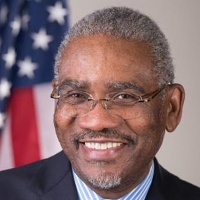
Gregory Meeks
Representative
NY-5
The Stop Illegal Fishing Act aims to combat harmful illegal, unreported, and unregulated (IUU) fishing globally. This bill mandates the President to impose sanctions, including asset blocking and immigration restrictions, on foreign persons and vessels involved in IUU fishing activities. It also requires regular reporting to Congress on the implementation of these sanctions.
New Stop Illegal Fishing Act Targets Global Poaching with Asset Freezes and Visa Bans
Imagine you’re a local fisherman trying to make an honest living, but you’re being undercut by massive, unregulated industrial fleets that ignore every rule in the book. The 'Stop Illegal Fishing Act' is designed to go after those bad actors—specifically targeting illegal, unreported, and unregulated (IUU) fishing. The bill explicitly calls out the People’s Republic of China as the primary offender in global overfishing and ecosystem damage. It’s not just about the fish, though; the bill connects these illegal operations to serious human rights issues like forced labor and human trafficking. To hit them where it hurts, the bill requires the President to impose heavy-duty sanctions on foreign owners, captains, and senior managers of these vessels, effectively treating high-seas poaching as a major national security threat.
Emptying the Nets and the Wallets
The bill’s main weapon is a one-two punch of asset blocking and immigration bans. Under Section 3, if a foreign person or entity is caught knowingly operating or owning an IUU vessel, the U.S. can freeze any property or money they have within American jurisdiction using the International Emergency Economic Powers Act (IEEPA). For the individuals involved—like the captains or corporate officers—it also means an immediate 'no-go' for U.S. visas. If they already have one, it gets revoked instantly. For a tech worker in Seattle or a contractor in Florida, this might seem distant, but it’s designed to stabilize global food prices and protect the rule of law on the oceans, which ultimately keeps our own supply chains more predictable.
The Fine Print and the Safety Net
While the bill is aggressive, it includes some specific 'hall passes' to prevent humanitarian disasters. Section 3 outlines exceptions for the 'Safety of vessels and crew,' meaning you can still provide food or medical care to a sanctioned ship if it’s a matter of saving lives or preventing an environmental wreck. There are also carve-outs for medicine, food, and humanitarian aid. However, there’s a bit of a gray area: the President has the power to waive these sanctions for 'national security interests.' This means if a specific country is a key ally on other issues, their illegal fishing might get a pass, which is a detail that skeptical observers will want to watch closely to ensure the law is applied fairly across the board.
Why This Hits Home
For the average consumer, this bill is about the hidden costs of the 'cheapest' seafood. When illegal fleets skip out on safety gear, pay, and environmental regulations, they drive down prices in a way that legitimate businesses can't match. By creating a formal IUU fishing sanctions program and requiring a public list of sanctioned vessels and persons every year, the bill tries to bring transparency to a very murky industry. The challenge will be in the implementation—tracking these 'ghost' ships across the globe is a massive task, and the broad authority given to the executive branch to define what qualifies as a 'national security' exception could either be a necessary tool or a major loophole.