This Act establishes a framework to identify, sanction, and deter foreign entities responsible for significant state-sponsored cyberattacks against the United States.
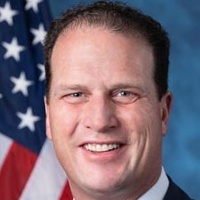
August Pfluger
Representative
TX-11
The Cyber Deterrence and Response Act of 2025 establishes a process to identify and sanction foreign entities responsible for significant state-sponsored cyberattacks against the United States. It mandates the creation of a National Attribution Framework to standardize how such activities are identified and attributed. Sanctions imposed on designated "critical cyber threat actors" include economic restrictions and travel bans. The legislation also allows for sanctions against countries that aid these malicious cyber actors.
New Cyber Deterrence Act Creates 'Critical Cyber Threat' List, Imposing Broad Sanctions on Foreign Hackers and Their Backers
The Cyber Deterrence and Response Act of 2025 is essentially the U.S. government’s new playbook for fighting back against state-sponsored hackers. It sets up a formal system to identify foreign individuals or government entities responsible for major cyberattacks—dubbing them “critical cyber threat actors”—and then hits them with a menu of serious sanctions.
What the Bill Actually Does
This bill focuses on attacks that pose a “significant threat” to U.S. national security, foreign policy, or economic stability. We’re talking about activities that disrupt critical infrastructure (like the power grid or banking systems), mess with elections, or steal massive amounts of data for commercial gain. For example, if a foreign state-backed group successfully tampers with the U.S. financial sector to destabilize it, the President, acting through the National Cyber Director, must designate them. That designation also applies to anyone who knowingly uses that stolen data for profit—so if a foreign company uses trade secrets stolen in a state-sponsored hack, they could also be sanctioned.
Standardizing the Blame Game: The Attribution Framework
One of the biggest moves here is the requirement for a National Attribution Framework within 180 days. Right now, when the U.S. publicly blames a country for a hack, the process can feel a little opaque. This framework aims to standardize that, setting clear technical and evidentiary standards for making an attribution. Think of it as creating a transparent rulebook for how the government decides who to point the finger at. It even requires assigning a confidence level to the determination and coordinating with allies before going public. For everyday people, this means the government’s response to a major hack should be faster and more credible.
The Sanction Hammer: What Happens Next
Once a foreign actor is designated, the sanctions hit hard and fast. The President must impose one or more penalties, which are extensive. They include blocking all property and assets the actor holds in the U.S. (using the powerful International Emergency Economic Powers Act, or IEEPA), prohibiting U.S. persons from investing in their securities, and cutting off U.S. development or security assistance. On top of that, any designated foreign person is banned from entering the U.S. and has their visa immediately revoked. This is a comprehensive effort to financially and logistically isolate the bad actors.
Crucially, the bill also allows the government to sanction the country that aided or directed the cyber threat actor. This could mean cutting off non-humanitarian aid or prohibiting the export of military or surveillance technology to that government. The goal isn't just to punish the hackers, but to make their state sponsors pay a diplomatic and economic price.
The Fine Print: Executive Power and Waivers
While the bill creates a clear response path, it also gives the President significant flexibility. The criteria for designating an actor rely on subjective terms like “significant threat” or “significant disruption.” This broad language gives the Executive Branch substantial power to decide who gets sanctioned and when. Furthermore, the President has the authority to waive sanctions for one-year periods if it’s deemed to be in the national interest, for law enforcement, or for humanitarian reasons. While waivers are necessary for flexibility, too many could dilute the deterrence effect. The bill also makes sure that authorized U.S. intelligence activities are exempt from these sanctions, which is standard but worth noting for transparency.